Guide
Things to do in Madrid: the historic centre, the Art Walk, the parks and the day trips
Things to do in Madrid by area: Royal Palace (€18), Prado, Reina Sofía, Thyssen, Retiro, Debod and flamenco, with opening times and day trips.
In short
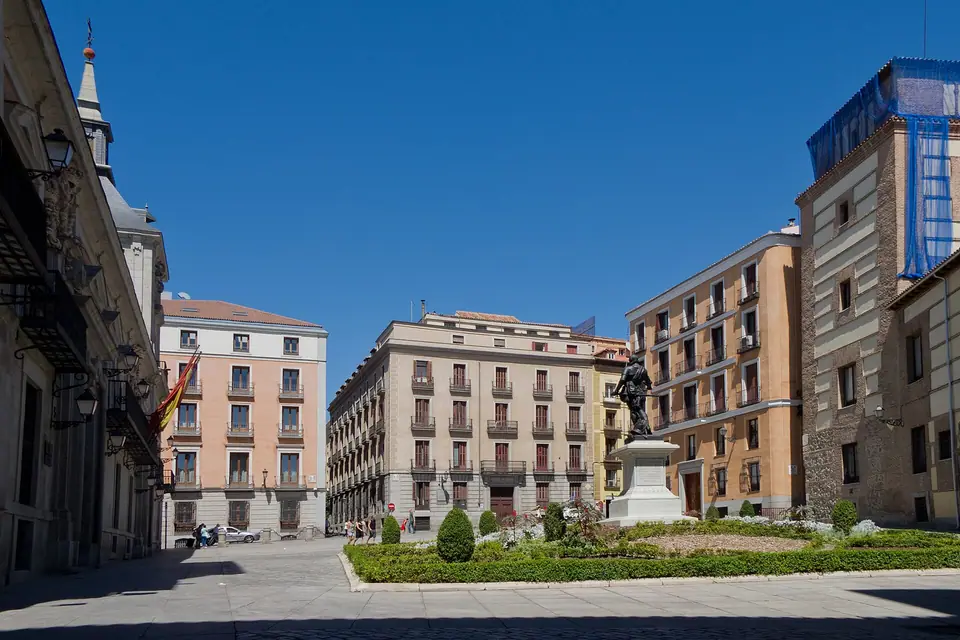
Madrid works best in blocks. The historic centre (Puerta del Sol, Royal Palace, Almudena) fits into one day on foot; the Royal Palace costs €18. The Art Walk gathers the Prado (€15), the Reina Sofía (€12) and the Thyssen (€14), with the Retiro next door. Toledo (71 km) and El Escorial (47 km) are one-day trips from Madrid.
Madrid has no single star monument: it has a compact centre, three top museums a few minutes from each other, a 118-hectare park and a good metro network that reaches everything. So it pays to decide what you want to see and group the places by area, rather than crossing the city several times.
This guide sorts what is worth a visit into blocks and links the listings in our directory with official tickets, guided visits and day trips. The opening times and prices we give come from official websites or esMadrid and can change; where sources disagree, we say so and do not fix a figure.
Ready to book
- Royal Palace of Madrid: official ticketfrom €18 Book on Tiqets (opens in a new tab)
- Prado Museum: general admissionfrom €15 Book on Tiqets (opens in a new tab)
- Reina Sofía Museum: general admissionfrom €12 Book on Tiqets (opens in a new tab)
Part of the links are affiliate links; if you book through them, we may receive a commission at no extra cost to you. About affiliate links
The historic centre: Puerta del Sol, Royal Palace, Almudena and the Descalzas
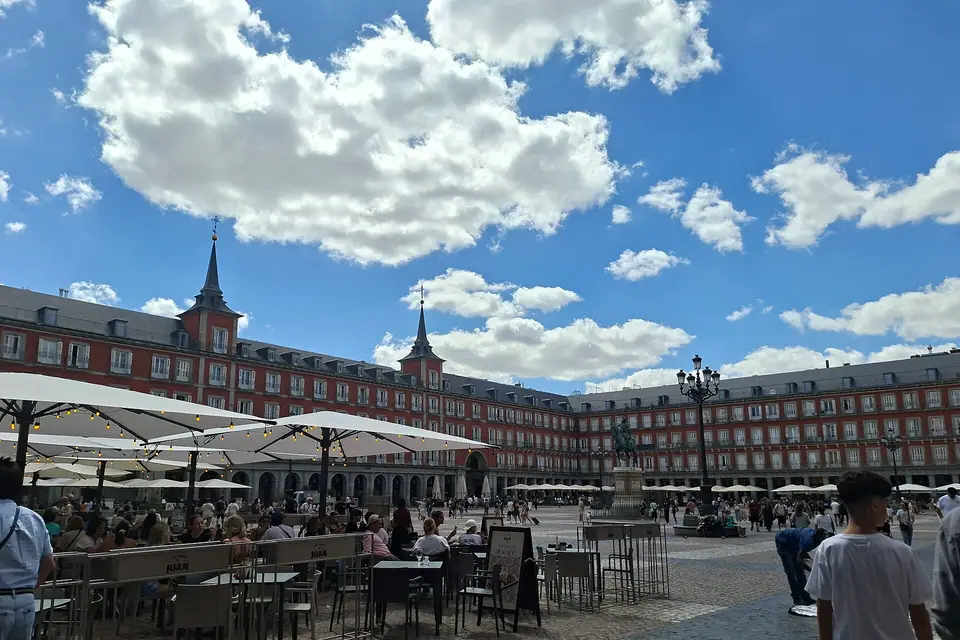
1. Puerta del Sol and the Habsburg quarter. Since 1950 the Puerta del Sol has held the kilometre zero of Spain's radial roads. The name "Madrid de los Austrias" is used for the medieval street plan and the 16th- and 17th-century expansion, since Philip II fixed the Court in Madrid in 1561. If you arrive before 10, Plaza Mayor and the area around the Palace are almost empty. A free tour leaves at 11:00 from the Puerta del Sol, next to the bear statue, lasts 2 h 30 min and the guide lives on tips.
2. Royal Palace. A self-guided visit costs 18 EUR and a guided one 26 EUR (in Spanish or English), plus a 0.77 EUR booking fee on the Patrimonio Nacional site; the reduced fare is 9 EUR. From October to March it opens from 10:00 to 18:00, the ticket office closes an hour earlier and the palace can close for official events, so check the calendar before buying.
3. Almudena Cathedral. Entry is free (a donation is requested). The museum, which includes the sacristy, the chapter house and the dome of more than 70 m with views of the Royal Palace, opens Monday to Saturday from 10:00 to 14:30; there is a lift. Sources give 7 or 8 EUR and do not agree, so confirm the price at the ticket office.
4. Descalzas Reales. This 16th-century convent can only be visited with a guide and costs 9 EUR (plus 0.77 EUR booking fee). It opens Tuesday to Saturday from 10:00 to 14:00 and from 16:00 to 18:30, and on Sundays and holidays from 10:00 to 15:00; it is closed on Mondays. According to its official website, on Wednesday and Thursday afternoons it is free for EU and Latin American citizens with ID, at the ticket office only.
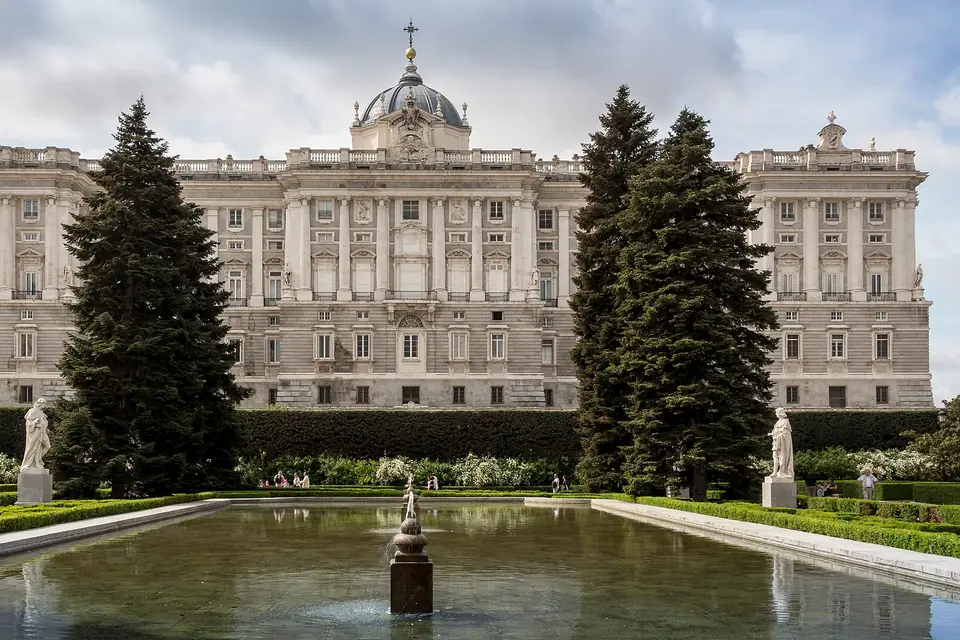
Royal Palace of Madrid: official ticket
Official ticket to the Spanish royal palace, self-guided or guided in Spanish or English.
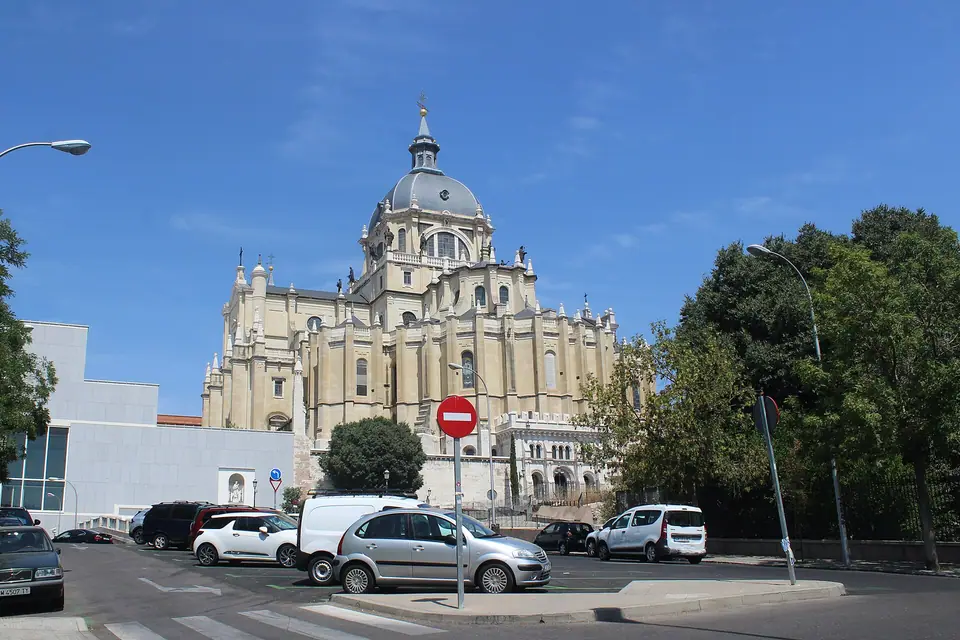
Almudena Cathedral: museum and dome
Ticket to the cathedral museum, with dome access and views of the Royal Palace.
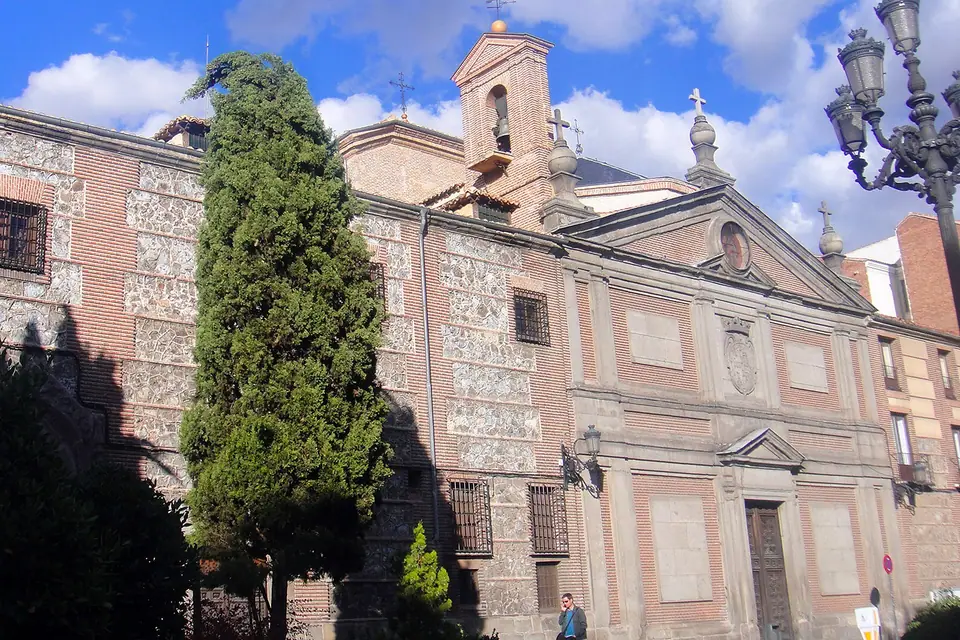
Descalzas Reales Monastery: guided visit
Official ticket to the 16th-century royal convent; entry is guided only.
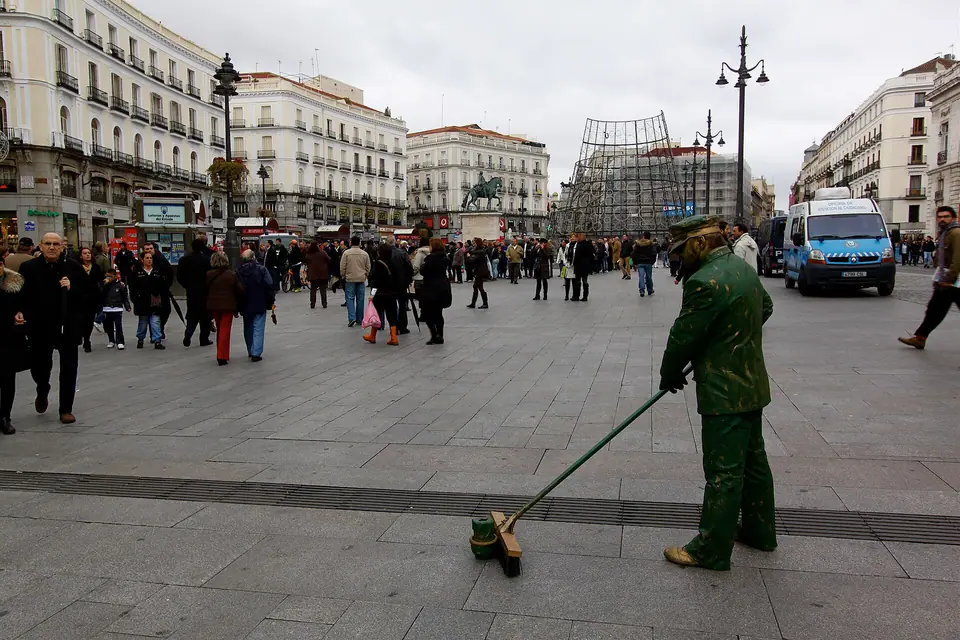
Madrid Essential Free Walking Tour (Madride Travel)
Two-and-a-half-hour walk through the centre with tip-based guides, in English and Spanish, from Puerta del Sol.
The Art Walk: Prado, Reina Sofía and Thyssen
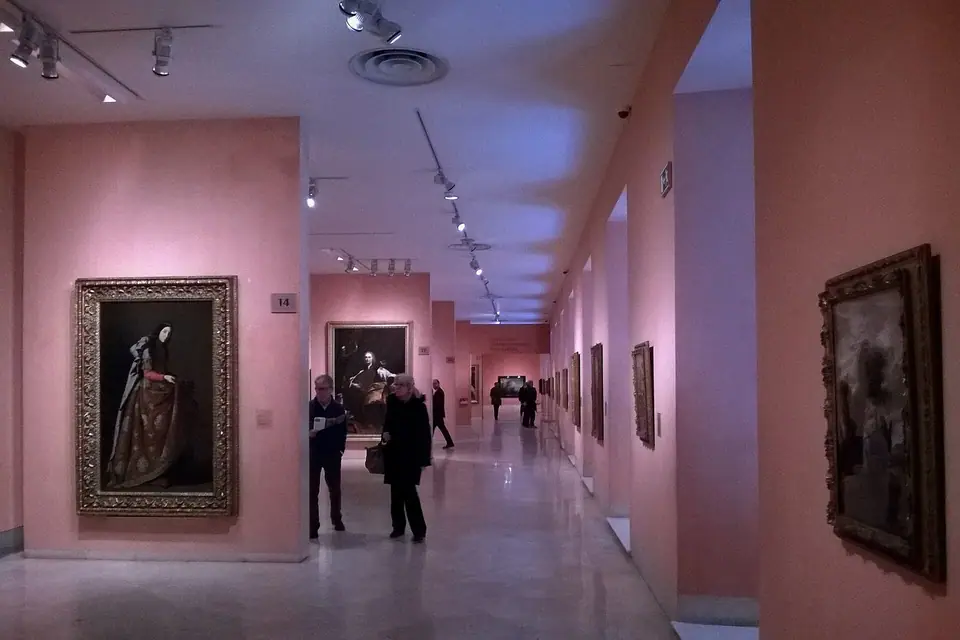
The three museums are a few minutes' walk from each other, along the Paseo del Prado and the Atocha area. It is better not to try all three in one morning: pick one for the collection and leave the others for another day.
1. Prado Museum. It holds work by Velázquez, Goya, El Greco and Rubens at Calle de Ruiz de Alarcón 23. The general ticket costs €15 (€7.50 reduced) and gives access to the permanent collection, for a set date and time. It is free for the last two hours of the day (Monday to Saturday 18:00 to 20:00; Sundays and holidays 17:00 to 19:00) and it opens every day except 1 January, 1 May and 25 December (museodelprado.es, checked 25 November 2026).
2. Reina Sofía Museum. General admission is 12 EUR according to its official website. There is free access on Monday and from Wednesday to Saturday from 19:00 to 21:00 and on Sundays from 12:30 to 14:30, for individual visitors only and with a reserved ticket; it is closed on Tuesdays. Under-14s must be accompanied.
3. Thyssen-Bornemisza Museum. It costs 14 EUR for the collection and temporary exhibitions. According to its website, on Mondays entry is free without a prior ticket and on Saturdays from 21:00 to 23:00 access is free (Thyssen Nights). There is also an Art Walk pass covering this museum, the Prado and the Reina Sofía, valid for a year, at 32.80 EUR.
The Paseo del Prado and the Retiro have been part of UNESCO's World Heritage list since 2021. Next door are CaixaForum (6 EUR according to esMadrid, open every day from 10:00 to 20:00) and the Royal Botanical Garden.
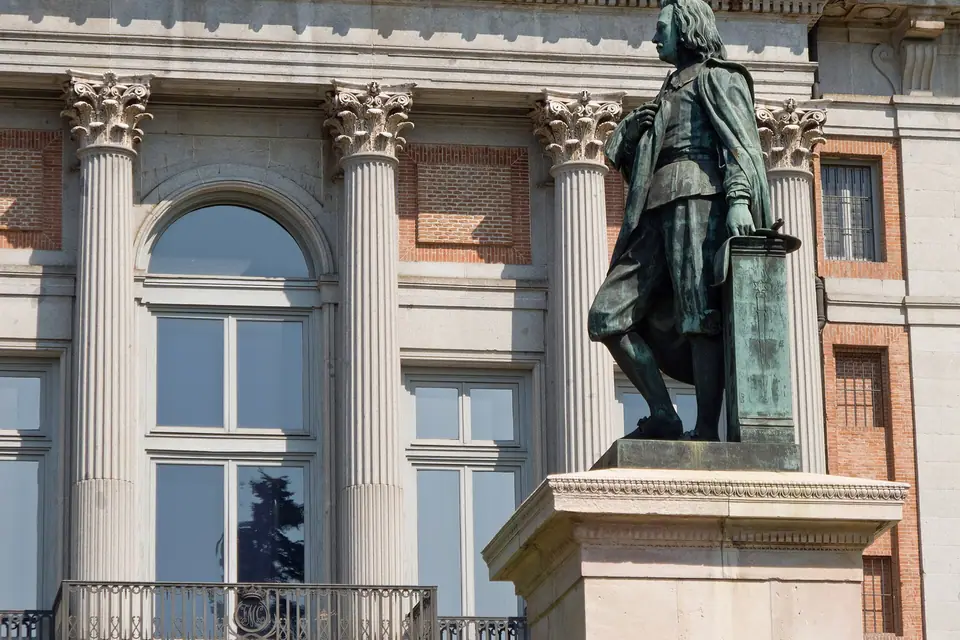
Prado Museum: general admission
Individual ticket for the Prado's permanent collection, bookable from the museum's site or via Tiqets.
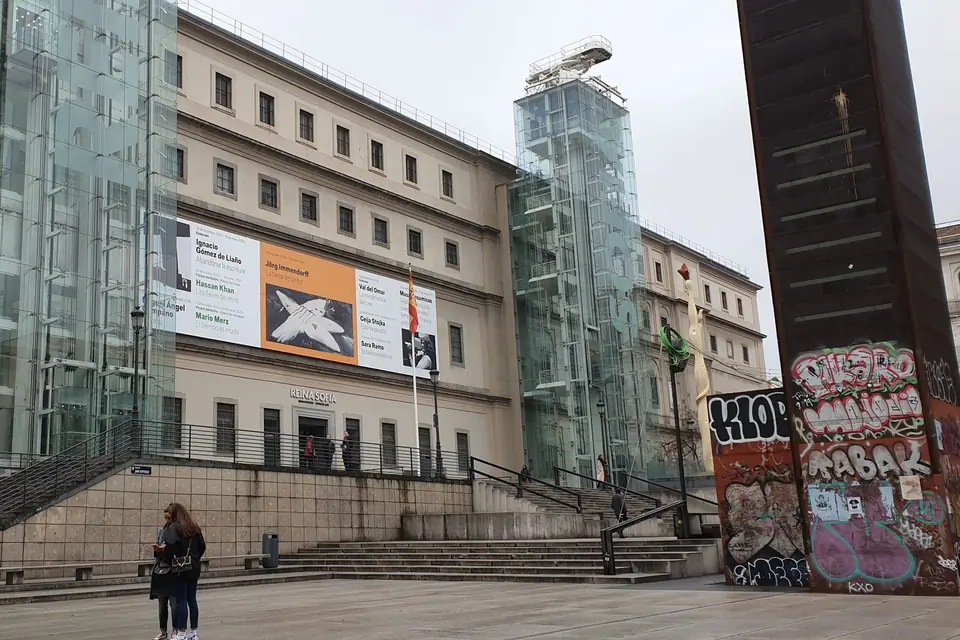
Museo Nacional Centro de Arte Reina Sofía
Reina Sofía Museum: general admission
General ticket to the modern and contemporary art museum, with free evening hours for individual visitors.
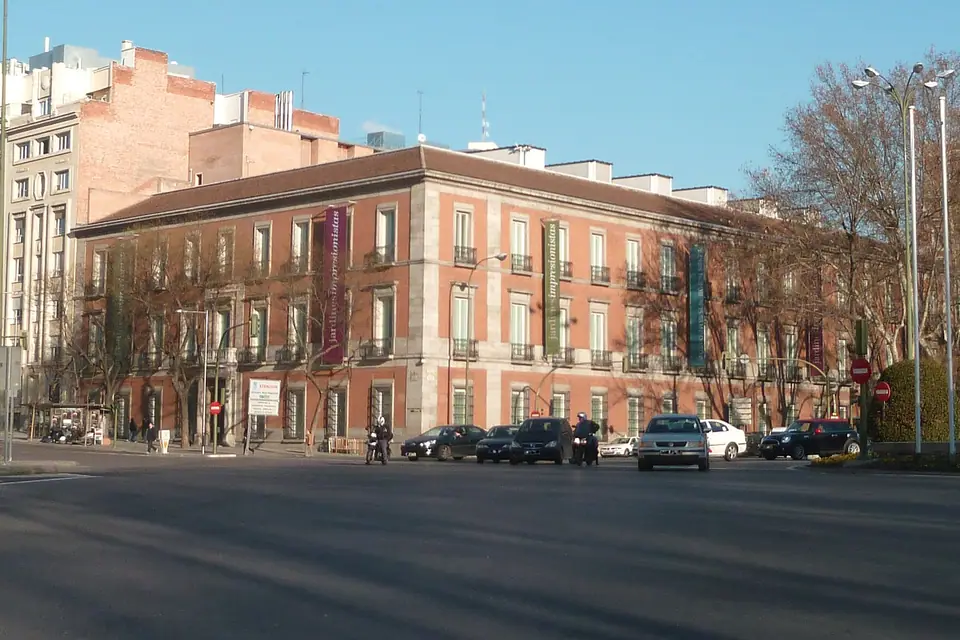
Museo Nacional Thyssen-Bornemisza
Thyssen-Bornemisza Museum: permanent collection
Ticket to the Thyssen's permanent collection, with free Mondays and a free extra guest subject to availability.
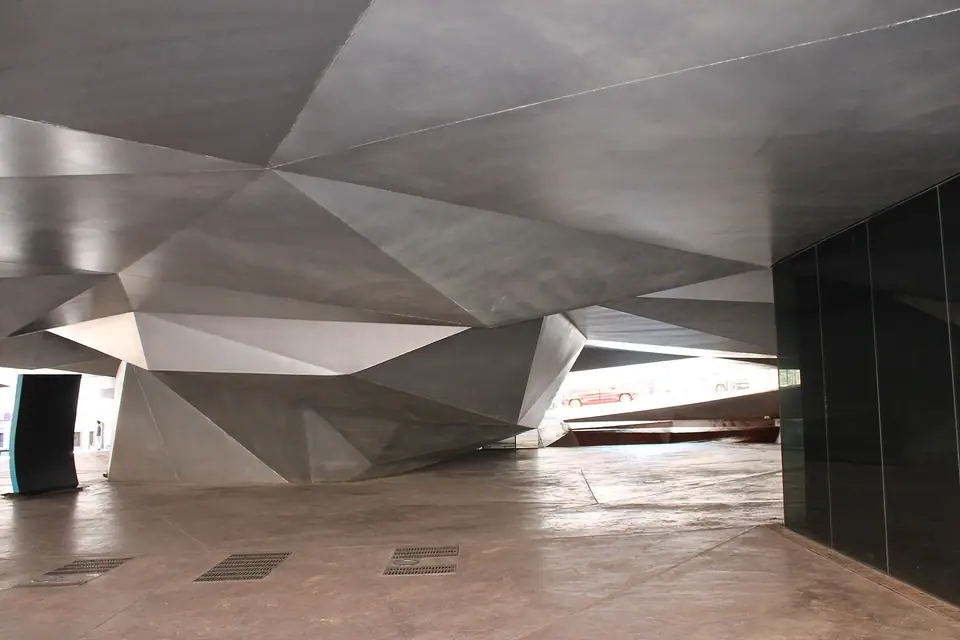
CaixaForum Madrid: exhibition ticket
Ticket to the cultural centre's exhibitions, open daily 10:00-20:00 per esMadrid.
Parks and viewpoints: Retiro, Botanical Garden and Temple of Debod
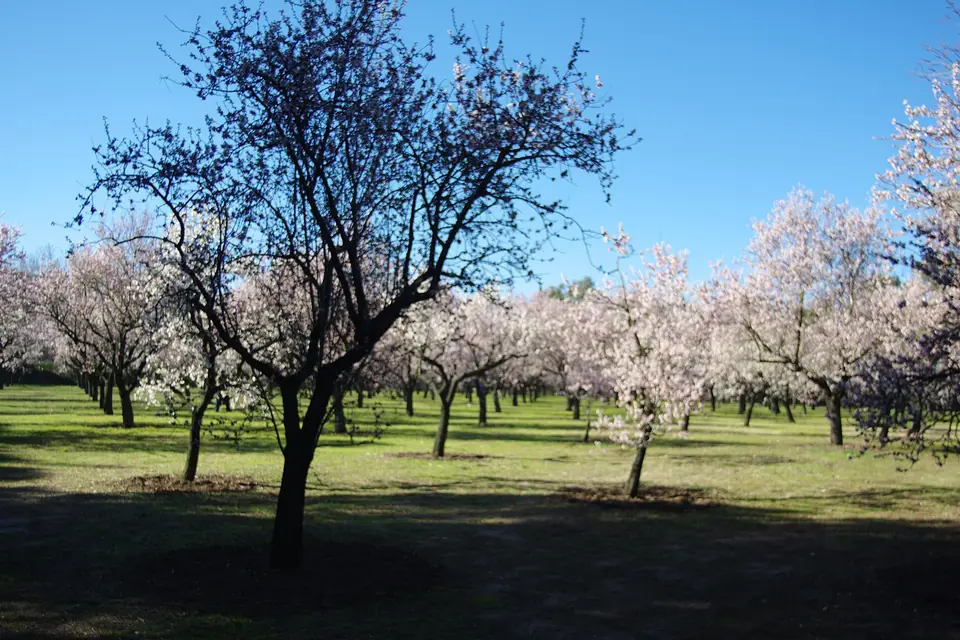
1. The Retiro. It is a 118-hectare historic garden that Charles III opened to the public in 1767. It has the Great Pond, the Crystal Palace (1887) and the Artichoke fountain. Enter by the Independence gate, next to the Puerta de Alcalá; on Sunday afternoons it fills up. A 2-hour guided e-bike tour by Wonder Tours advertises 34.90 EUR per person.
2. Royal Botanical Garden. The 18th-century garden sits next to the Prado, with the ticket office at Plaza de Murillo 2. In January, February, November and December it opens from 10:00 to 18:00 and closes on 25 December and 1 January. The price is unclear: some sources give 4 EUR and others 6 EUR with the exhibitions of the Villanueva Pavilion.
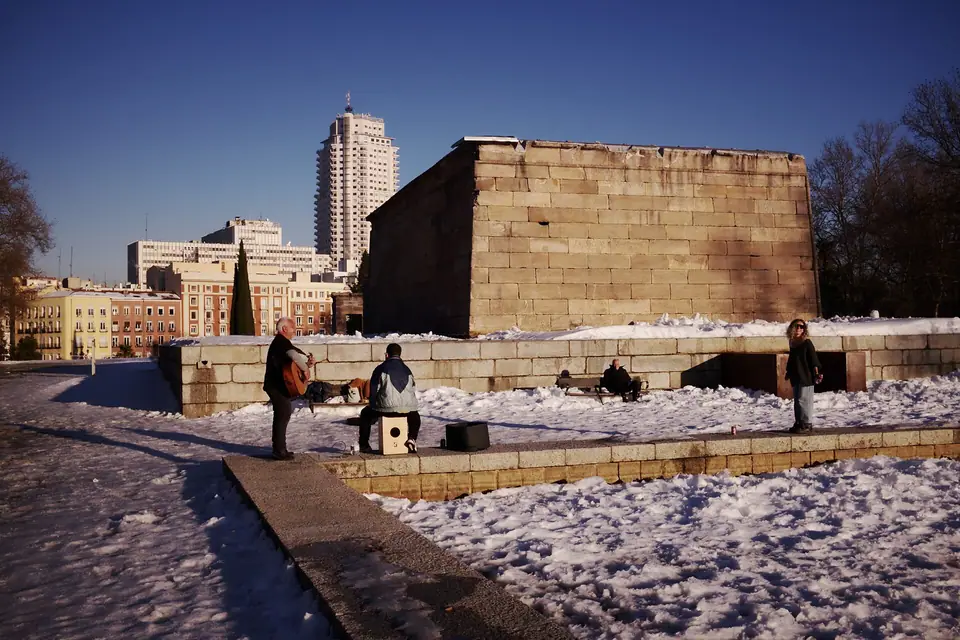
3. Temple of Debod. It is an Egyptian temple from the early 2nd century BC, donated by Egypt to Spain in 1968 and opened in Madrid on 18 July 1972. Entry is free and booking on the city council website is recommended. In winter it opens Tuesday to Sunday and on holidays from 10:00 to 20:00 (last entry 19:30); it is closed on Mondays. The surroundings are a good spot for sunset.
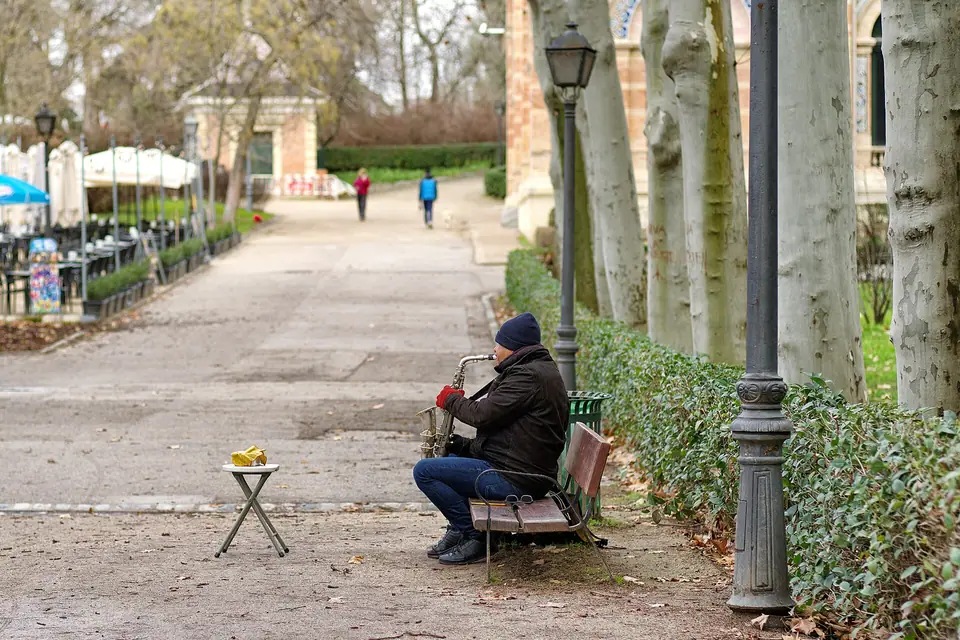
Wonder Tours (Segway Trip y Madrid Bike Tours)
Guided e-bike tour of Retiro Park (Wonder Tours)
Two hours by e-bike around Retiro Park with a bilingual Spanish-English guide.
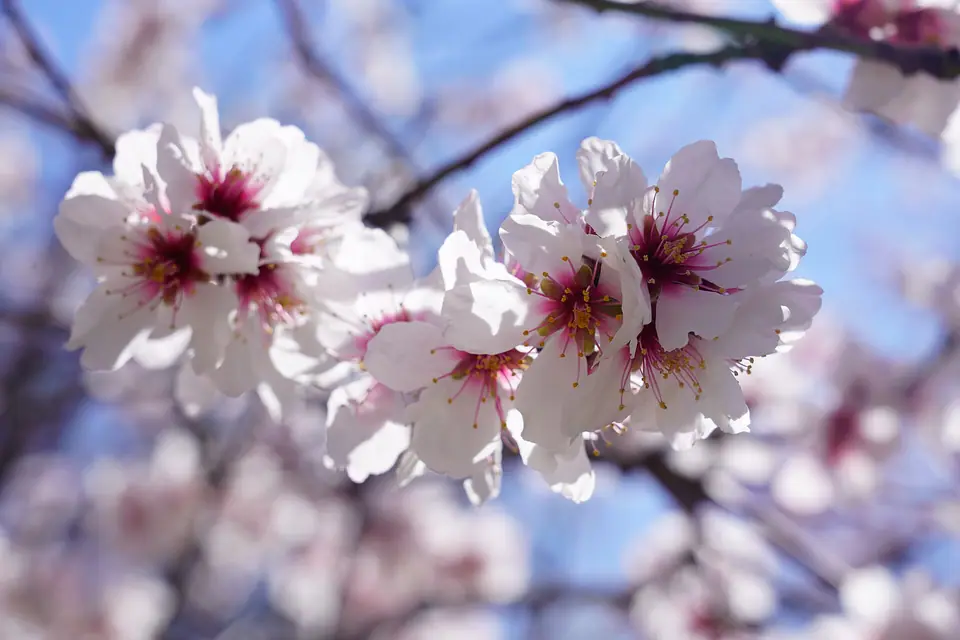
Royal Botanical Garden: ticket
Ticket to the 18th-century botanical garden, steps from the Prado Museum.
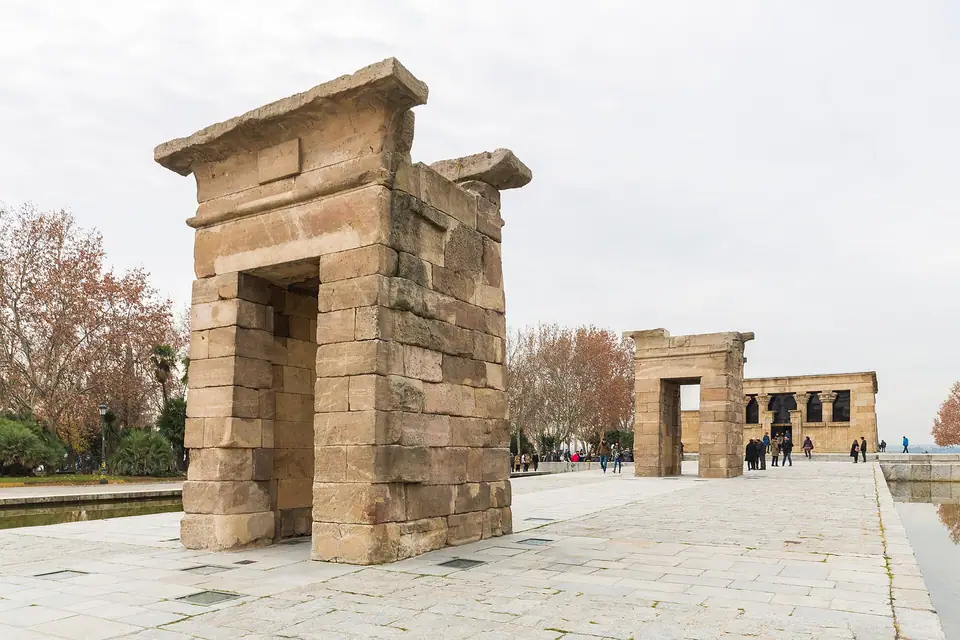
Ayuntamiento de Madrid (Templo de Debod)
Temple of Debod: free visit
Egyptian temple from the 2nd century BC in the Cuartel de la Montaña park, free to enter.
Neighbourhoods to stroll: La Latina, Las Letras, Malasaña, Chueca and Salamanca
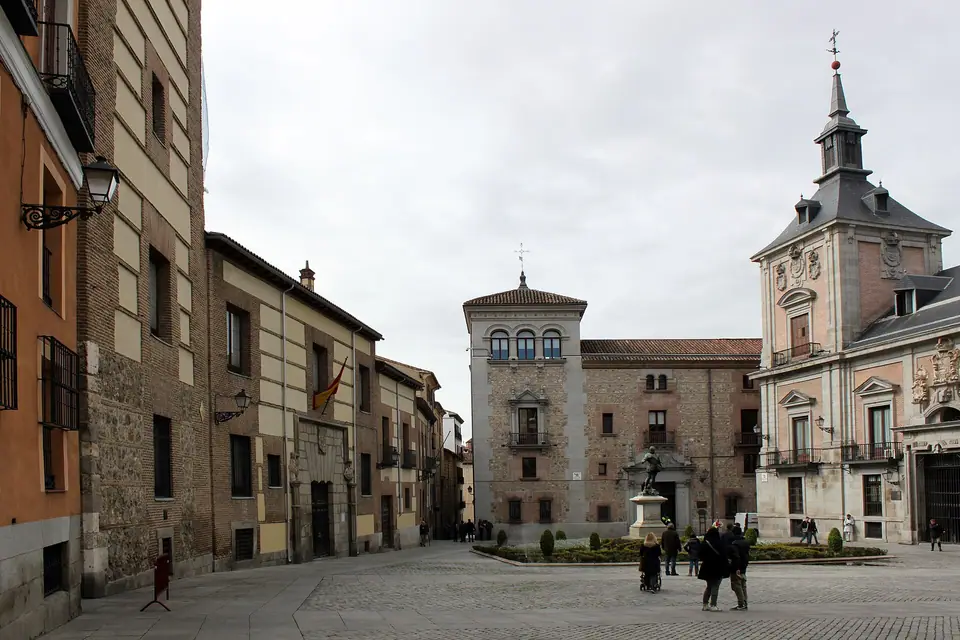
1. La Latina. It takes its name from the metro station and is the home of El Rastro, the old-town flea market; walk down from Plaza Mayor and come back through the Rastro on Sunday morning, when it is liveliest.
2. Barrio de las Letras. It is bounded by the Paseo del Prado and Calle de Atocha, with Calle de las Huertas and the squares of Santa Ana and del Ángel. It owes its name to the Golden Age writers who lived there. In the evening the squares fill with terraces.
3. Malasaña and Chueca. Malasaña now stretches between Princesa, Gran Vía, Fuencarral and Alberto Aguilera; on weekdays, in the middle of the afternoon, it is easier to walk. Chueca, north of Gran Vía, has been the city's gay neighbourhood since the late 20th century. In this area are the Museo del Romanticismo (3 EUR according to esMadrid, closed on Mondays) and the Museo Cerralbo, in a palace near Plaza de España (3 EUR, free on Thursdays from 17:00 to 20:00 and on Sundays).
4. Salamanca. It is named after the Marquis of Salamanca, who developed it in the 19th century, and is one of the city's main shopping areas (the Golden Mile). It is easy on foot along Serrano and Lagasca.
To try the food by neighbourhood, there are tapas tours of La Latina and the centre and of Huertas, as well as paella and tapas classes at the school in Las Letras.
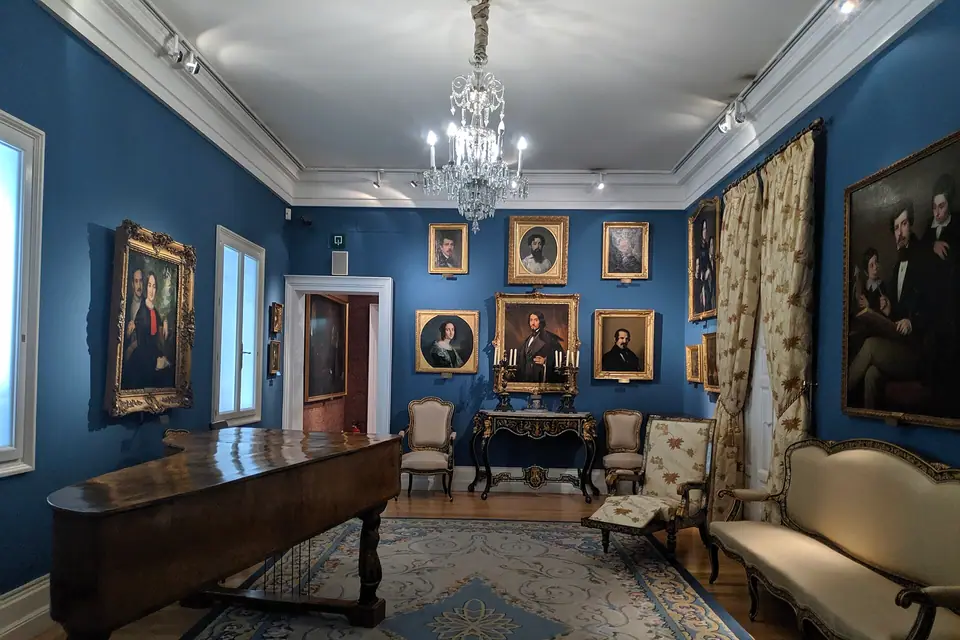
Museum of Romanticism: general admission
Low-cost ticket to the 19th-century museum in Chueca; free Saturdays from 14:00 and Sundays.
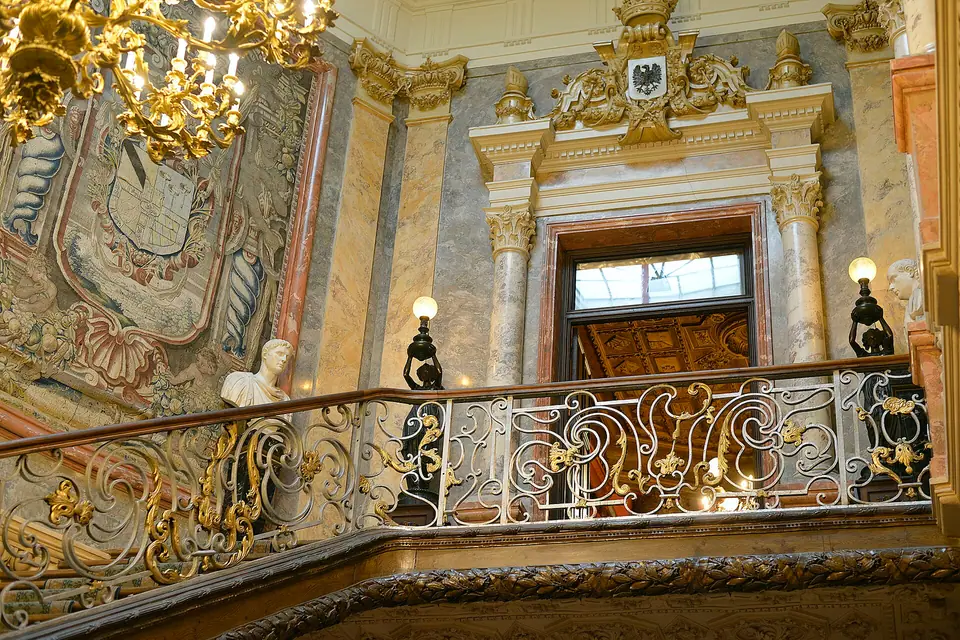
Cerralbo Museum: general admission
Ticket to a palace museum near Plaza de España; free Thursday evenings and Sundays.
La Latina and centre tapas food tour (Carpe Diem)
Two and a half hours on foot through five venues with nine tapas and five drinks, starting at Plaza de los Carros, groups of up to 15.
Tapas walk in the Huertas neighbourhood (Context Travel)
A three-hour walk in English through taverns in the centre, in small groups, with a specialist guide.
Paella cooking class with market visit (Cooking Point)
Four hours, 10:00 to 14:00, Monday to Saturday: shopping at a market and paella with a local chef, with a child rate.
Flamenco: tablaos in the centre and around Plaza de España
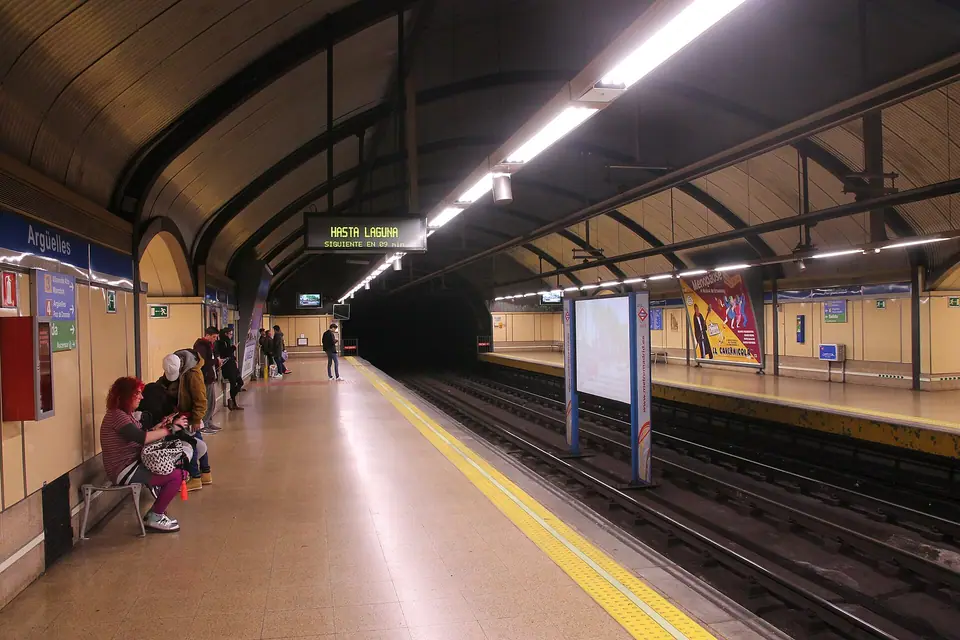
Madrid's tablaos are almost all in the centre and offer shows of about an hour. What differs between them is the neighbourhood, the schedule and whether they include a drink, tapas or dinner. Book ahead and confirm the sessions when you buy, because they vary by season.
1. Corral de la Morería. It opened in 1956 on Calle de la Morería, near the Royal Palace, and runs every day. According to the official tourist guide there are sessions with dinner from 17:30 and show-only sessions from 19:30.
2. Cardamomo. It is at Calle Echegaray 15, in the Las Letras neighbourhood. Its programme changes every week and includes a welcome drink.
3. Las Tablas. It is at Plaza de España 9. Its website lists two shows a day, at 19:00 and 21:30, and the official guide mentions about 60 minutes of show and full wheelchair access.
4. Tablao Flamenco 1911. It is the former Villa Rosa, at Plaza de Santa Ana 15, with four shows a day (18:00, 19:30, 21:00 and 22:30) and a drink included.
5. "Emociones". The show at Teatro Flamenco Madrid, on Calle del Pez 10, lasts an hour and costs 39 EUR for adults according to the official guide; children aged 6 to 12 pay 19 EUR and under-5s are free.
Flamenco show at Corral de la Morería
Flamenco at one of Madrid's oldest tablaos in La Latina, with the option of dining at its restaurant before the show.
Flamenco show at Cardamomo, with a drink
Flamenco performance on Calle Echegaray, a few steps from Sol, with a welcome drink and a line-up that changes every week.
Flamenco show at Las Tablas
An hour of flamenco next to Plaza de España, with daily shows at 7:00 pm and 9:30 pm and an optional dinner beforehand.
Tablao Flamenco 1911 (antes Villa Rosa)
Flamenco show at Tablao Flamenco 1911
One hour of flamenco with a drink on Plaza de Santa Ana, four shows daily and your choice of table when booking.
'Emociones' flamenco show at Teatro Flamenco Madrid
A one-hour show at a Malasaña theatre, with sessions from 5:00 pm and a cheaper child ticket for ages 6 to 12.
Football, parks and plans with children
1. Santiago Bernabéu Stadium. It opened on 14 December 1947 on the Paseo de la Castellana. The official tour runs Monday to Saturday from 9:00 to 19:00 and on Sundays and holidays from 9:30 to 18:30; it closes on 25 December and 1 January, and on match days it ends 5.5 hours before kick-off. Take line 10 (Santiago Bernabéu).
2. Riyadh Air Metropolitano. The tour and museum of Atlético's stadium last about 2 hours (1 h of tour and 1 h of museum) and open every day from 11:00 to 19:00, with changes on match weekends. Online it costs 25 EUR for adults.
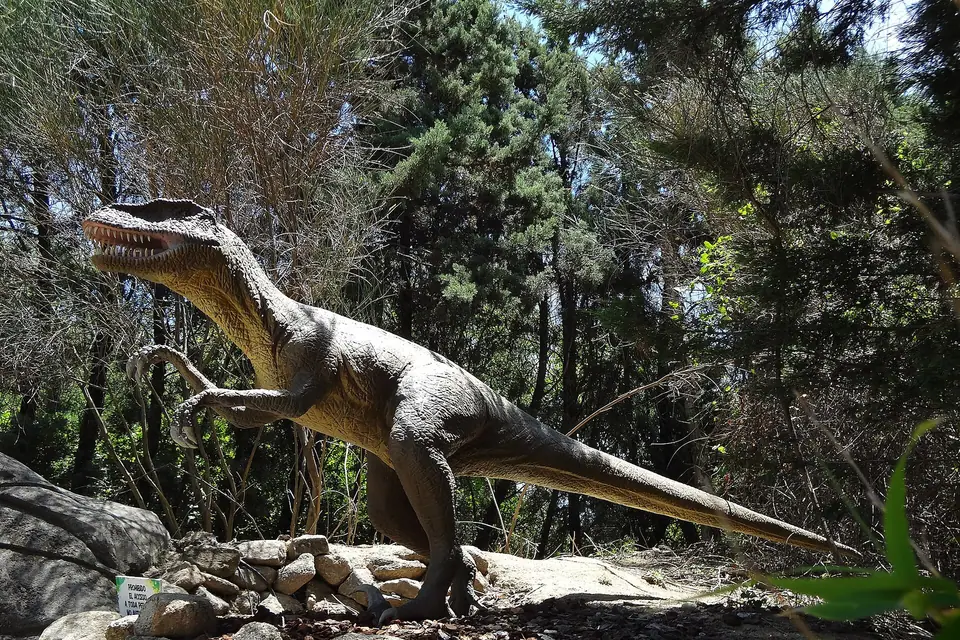
3. Parks. The Zoo Aquarium (Casa de Campo, tickets from 19.90 EUR), Faunia (from 16.90 EUR, closed some weeks in winter), the Parque de Atracciones (from 23.90 EUR, with a Christmas season) and Parque Warner (from 32.90 EUR for one day) run on their own calendars: always check opening days before buying.
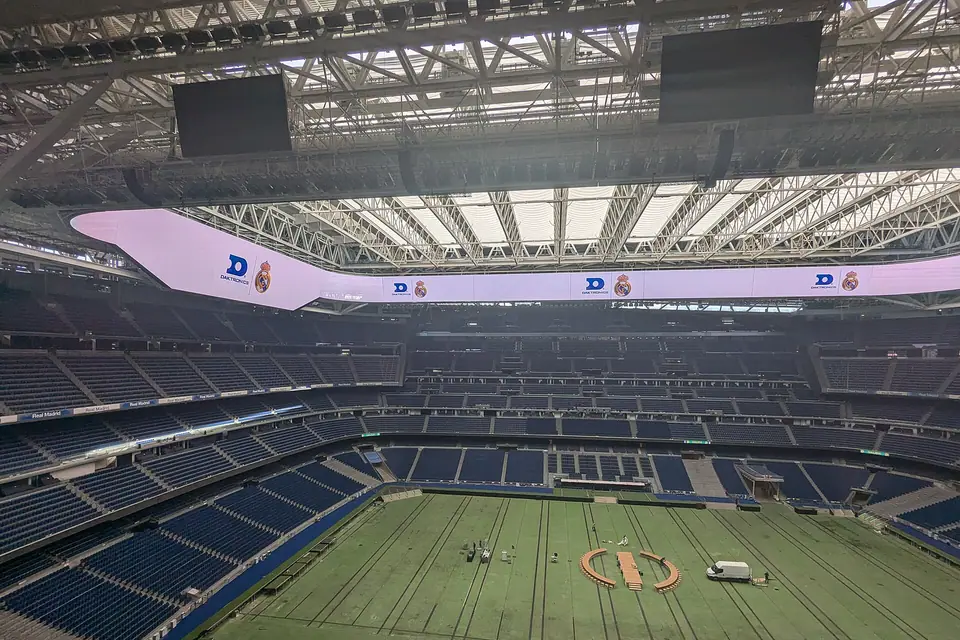
Real Madrid C.F. (Tour Bernabéu)
Bernabéu Tour: official ticket
Self-guided visit to Real Madrid's stadium with the club's official ticket.
Atlético de Madrid (Atleti Tour & Museum)
Atleti Tour & Museum: Riyadh Air Metropolitano
Tour of Atlético de Madrid's stadium and museum with the club's official ticket.
Madrid Zoo Aquarium: general admission
Ticket to the zoo and aquarium in the Casa de Campo, well suited to families.
Faunia: general admission
Ticket to Madrid's wildlife park, with recreated ecosystems.
Parque de Atracciones de Madrid
Parque de Atracciones de Madrid: ticket
Individual ticket to the amusement park in the Casa de Campo.
Day trips: Toledo, Segovia, Ávila and El Escorial
Outside the city, the four most common visits are Toledo (71 km, historic centre a World Heritage site since 1986), Segovia (the Roman aqueduct, since 1985), Ávila (the walls, since 1985) and El Escorial (Philip II's monastery, 47 km away). You can do them on your own by train or bus, or with an organised tour that leaves from Madrid.
Among the official tickets: Toledo cathedral, 12 EUR for the basic one; the Alcázar of Segovia, which from November to March opens from 10:00 to 18:00; and the Royal Monastery of El Escorial, 14 EUR general admission and closed on Mondays. The multi-city tours, from 5 to 13 hours, are compared in our guide to day trips from Madrid.
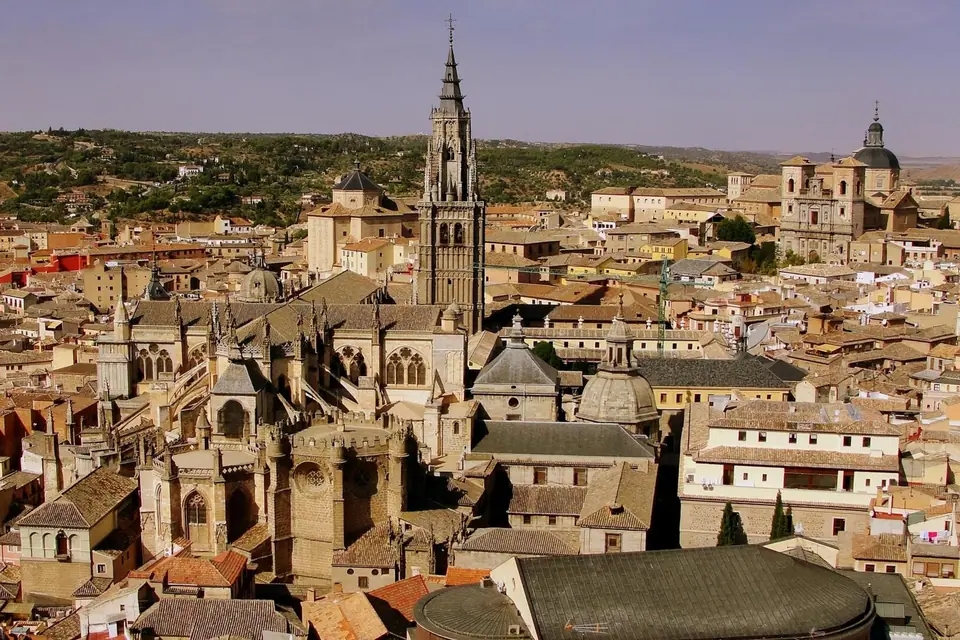
Toledo Cathedral: official ticket
Cultural visit to Toledo's Gothic cathedral, 12 euro ticket plus night-time (Lumina) tickets on the official site.
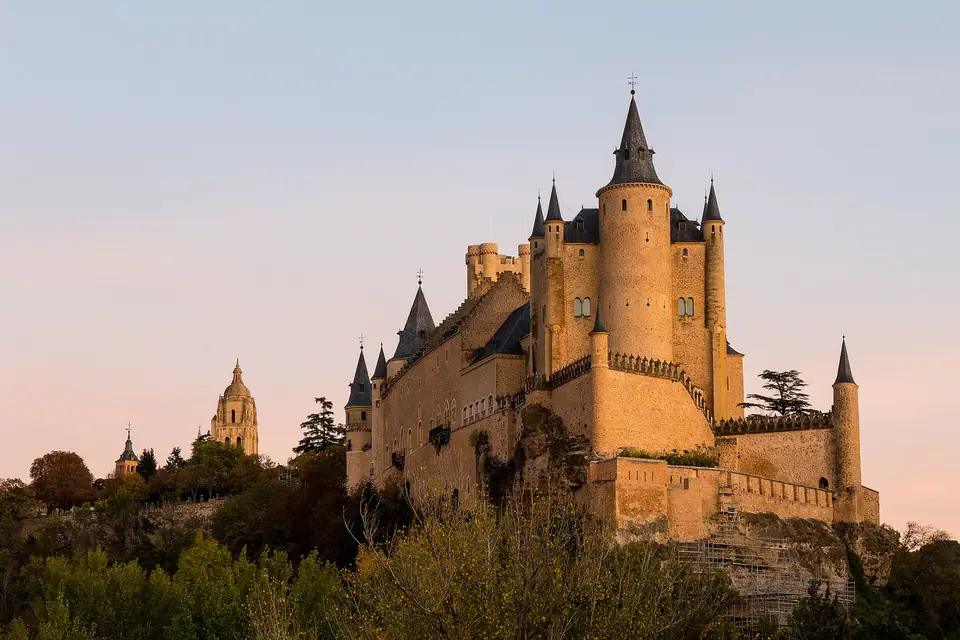
Alcázar of Segovia: official ticket
Ticket for Segovia's castle-palace with official online sales; open every day, with winter hours until 6 pm.
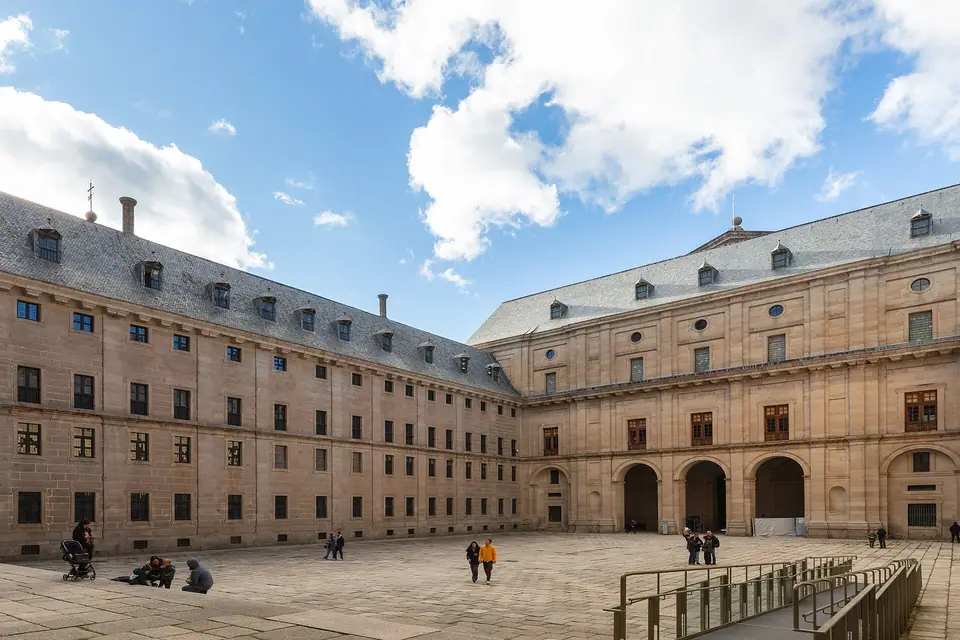
Royal Monastery of El Escorial: official ticket
Official Patrimonio Nacional ticket to the San Lorenzo de El Escorial monastery: 14 euros general and 7 reduced.
Toledo and Segovia in one day (Julià Travel)
Two World Heritage cities in one day, by coach from Madrid and with a guided visit in each.
How to combine it in three days
A reasonable plan for three days: the first, the historic centre (Sol, Plaza Mayor, Royal Palace and the Almudena) with flamenco at night; the second, the Art Walk, with a single long museum, and the Retiro in the afternoon; the third, a choice between Toledo or Segovia, or the neighbourhoods (Latina, Letras, Malasaña) and a tapas tour.
To get around: the centre is done on foot, and the metro has a station every few minutes. If you want to see a lot without planning routes, the hop-on hop-off bus costs 33 EUR for the 24-hour ticket and 44 EUR for the 48-hour one (three routes, 70 to 85 minutes each); guided electric tuk tuks start at 89 EUR per vehicle of up to four people, for one hour.
Madrid City Tour hop-on hop-off bus, 24 hours
Sightseeing bus with three routes and 30+ stops; hop on and off as often as you like while your ticket lasts.
Madrid City Tour hop-on hop-off bus, 48 hours
Sightseeing bus with three routes and 30+ stops; hop on and off as often as you like while your ticket lasts.
Electric tuk tuk: Madrid, Madrid, Madrid (Tu Tuk Tuk)
Short one-hour electric tuk tuk ride, the company's cheapest option.
Official sources
Our own text, drawn from these sources as checked up to 25 November 2026. Rules and traffic restrictions change: confirm them before you travel.
Frequently asked questions
How many days do you need to see Madrid?
With three days you cover the historic centre, the Art Walk with the Retiro, and a day of neighbourhoods or a day trip. With just one, choose the Royal Palace, Plaza Mayor and one museum.
What can you see for free in Madrid?
The Temple of Debod is free to enter, and Almudena Cathedral has free entry. According to their websites, the Reina Sofía is free on Monday and Wednesday to Saturday from 19:00 to 21:00 and on Sundays from 12:30 to 14:30, and the Thyssen on Mondays. The Prado is free for the last two hours of the day.
What to see in Madrid if it rains?
The museums of the Art Walk, the Royal Palace, the Almudena, the Descalzas, the Museo del Romanticismo and the Cerralbo are indoors, and so are a flamenco tablao or a tapas tour. See our guide to Madrid museums.
Can you visit Madrid without a car?
Yes. The centre is covered on foot and the metro network reaches the museums, the Retiro, Debod and the stadiums. For Toledo, Segovia, El Escorial or Aranjuez there are trains, commuter trains and buses, and several organised tours leave from Madrid.
When is the best time to visit Madrid?
It depends on what you want. In winter there is little daylight (9.3 h in mid-December) and an average of 6 to 8 °C, but museums and tablaos run as usual; March brings an average of 11.2 °C and 211 hours of sun, according to AEMET. The month-by-month data is in our calendar.
Atlas de Madrid editorial team · reviewed on 25 November 2026
More guides
- Royal Palace of Madrid tickets: price, opening hours, free entry and how to get there
- Day trips from Madrid: how to get there, what to see and which organised tours exist
- Madrid in 3 days: a day-by-day itinerary with prices, opening times and closing days
- Madrid in winter: climate, daylight, holidays and indoor plans from November to March
- Prado Museum tickets and the other Madrid museums: prices, closing days and free hours
- Madrid in the rain: things to do
- Madrid with kids: things to do
- Cheap and free in Madrid: what to do
- Madrid at an easy pace: low-effort plans