Guide
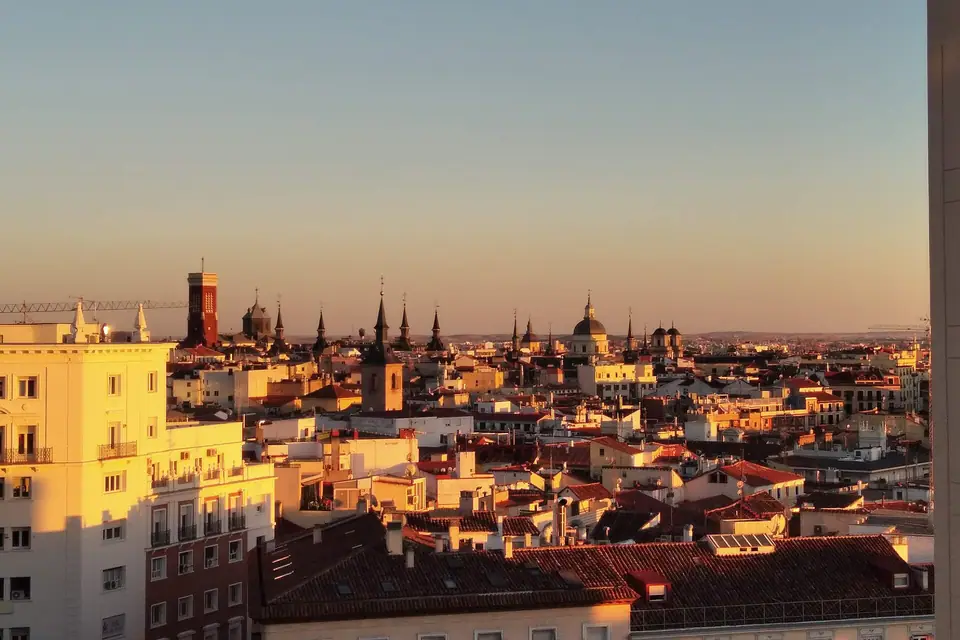
Madrid in winter: climate, daylight, holidays and indoor plans from November to March
What to do in Madrid from November to March: AEMET climate, daylight hours, holidays, museums, flamenco, tapas and day trips. With checked winter opening times.
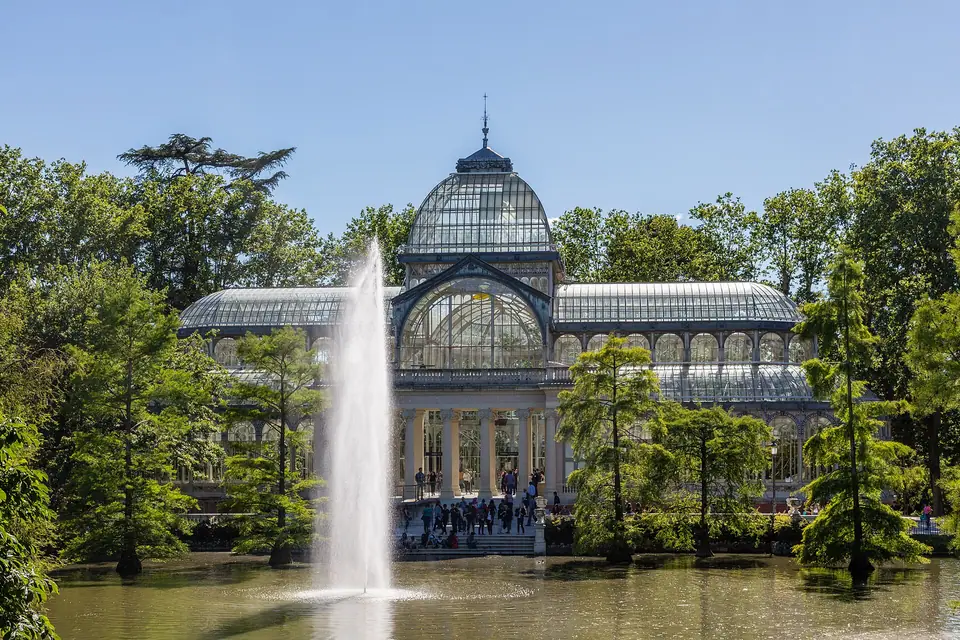
In short
From November to March, Madrid averages between 6.3 and 11.2 °C, according to AEMET (Retiro, 1981-2010), with 4 to 7 rainy days a month. December is the month with the least sun (124 hours) and the least daylight (9.3 hours in mid-month: sunrise at 8:31, sunset at 17:49). Museums, palaces and tablaos run as normal; the hours change and some holidays close certain places.
In winter Madrid is lived more indoors: the days are short and cold, but museums, palaces, flamenco tablaos and taverns are open and less crowded than in spring. Clear mornings, with low temperatures but clean skies, are good for the Retiro or for a day trip.
This guide gathers the weather and daylight data for November to March, the holidays in that period and the plans in our directory that run in winter, with the seasonal opening times given by official websites. They change often, especially at Christmas: confirm before you go.
Ready to book
- Royal Palace of Madrid: official ticketfrom €18 Book on Tiqets (opens in a new tab)
- Reina Sofía Museum: general admissionfrom €12 Book on Tiqets (opens in a new tab)
- Thyssen-Bornemisza Museum: permanent collectionfrom €14 Book on Tiqets (opens in a new tab)
Part of the links are affiliate links; if you book through them, we may receive a commission at no extra cost to you. About affiliate links
Climate and daylight: what the data says
According to AEMET's normal values for Madrid-Retiro (1981-2010), the average temperature is 9.9 °C in November, 6.9 °C in December, 6.3 °C in January, 7.9 °C in February and 11.2 °C in March. The average lows fall to 2.7 °C in January, and the average highs run from 9.8 °C (January) to 16.3 °C (March). It rains about 58 mm in November, 51 in December, 33 in January, 34 in February and 25 in March, spread over 4.1 to 6.8 days a month.
Sun hours per month: 144 in November, 124 in December, 149 in January, 158 in February and 211 in March. Light is scarce: on 15 November sunrise is at 8:01 and sunset at 17:58 (9.9 hours of day); on 15 December, 8:31 and 17:49 (9.3 hours); on 15 January, 8:36 and 18:13 (9.6 hours); on 15 February, 8:08 and 18:50 (10.7 hours); and on 15 March, 7:26 and 19:21 (11.9 hours). These are astronomical calculations for 2026 in local time. With dusk around 18:00, it makes sense to keep outdoor plans between 10:00 and 17:00.
Holidays and festivities: what closes and what is celebrated
According to the official calendar (BOCM and BOE), 2026 holidays were 2 November (All Saints', moved) and 9 November (La Almudena, a Madrid local holiday). Still to come: 7 December (Constitution Day, moved), 8 December (Immaculate Conception) and 25 December (Christmas). In 2027, 1 January (New Year's Day), 6 January (Epiphany), 19 March (St Joseph) and, with an early Easter, Maundy Thursday and Good Friday, 25 and 26 March. Madrid's local holidays for 2027 have not been published yet.
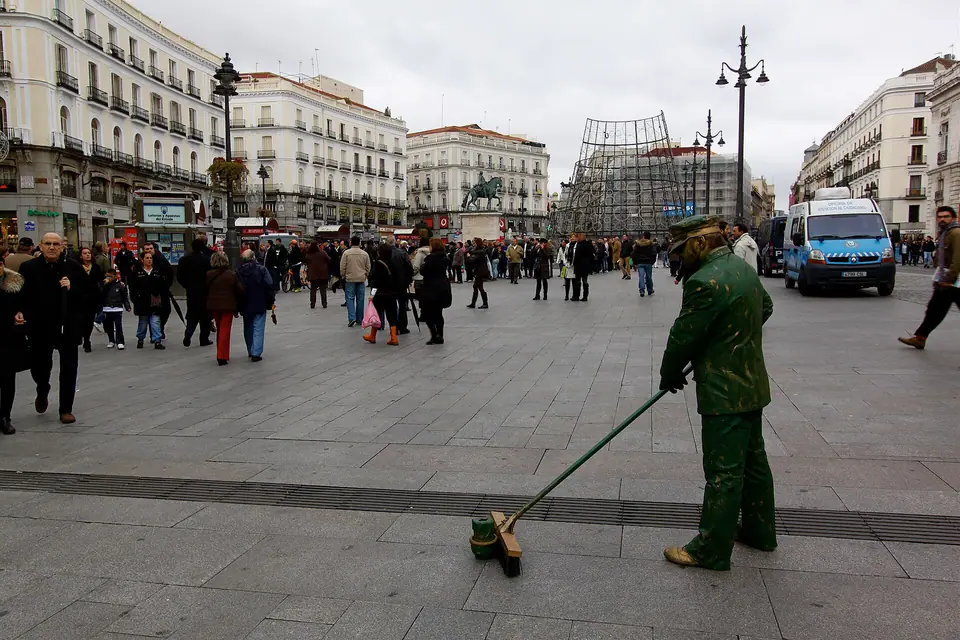
Festivities: 9 November is La Almudena, the city's patron, with Mass and procession at the cathedral. On the night of 31 December, the chimes of the clock at Puerta del Sol mark the twelve grapes. On the afternoon of 5 January the Three Kings parade leaves: in 2026 it set off around 18:00 along the Paseo de la Castellana and Paseo de Recoletos to Cibeles; the 2027 parade will be on 5 January, with route and times to be confirmed with the city council.
What closes: the National Museum of Natural Sciences on 1 and 6 January and 25 December; the Royal Botanical Garden on 25 December and 1 January; and the Bernabéu tour on 25 December and 1 January. The Reina Sofía and the Cerralbo, on the other hand, are free on 6 December, according to their websites. The Royal Palace can close for official events.
Museums and palaces with winter hours
1. Royal Palace. From October to March it opens from 10:00 to 18:00 and the ticket office closes an hour earlier. A self-guided visit costs 18 EUR and a guided one 26 EUR, according to Patrimonio Nacional.
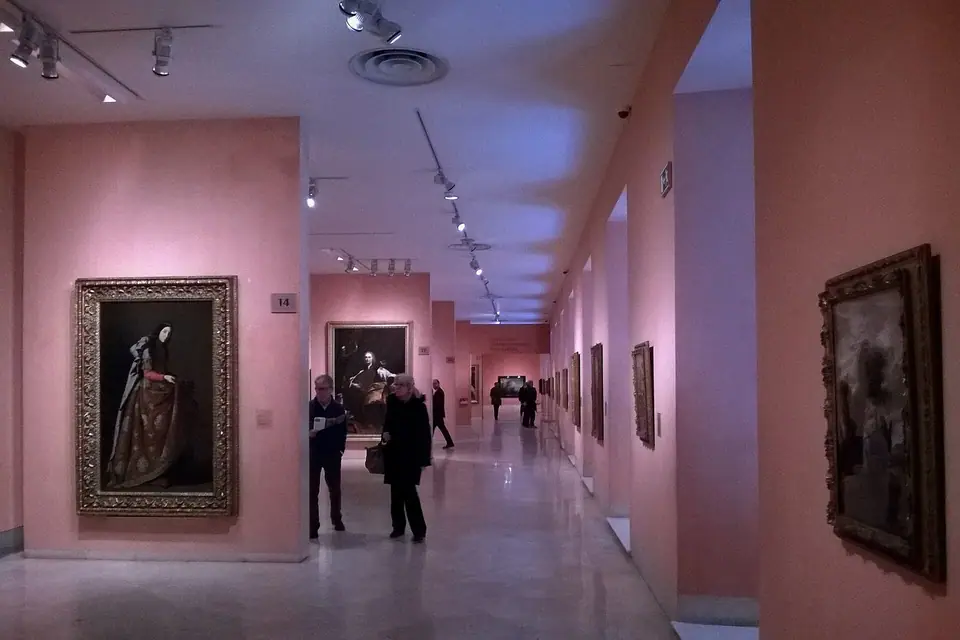
2. The Art Walk. The Reina Sofía (12 EUR) is free on Monday and Wednesday to Saturday from 19:00 to 21:00 and on Sundays from 12:30 to 14:30; it closes on Tuesdays. The Thyssen (14 EUR) is free on Mondays and on Saturdays from 21:00 to 23:00. The Prado (€15) is free for the last two hours: Monday to Saturday 18:00 to 20:00 and Sundays and holidays 17:00 to 19:00.
3. Small museums. The Museo del Romanticismo opens in winter Tuesday to Saturday from 9:30 to 18:30 (3 EUR, partly open because of works); the Cerralbo, Tuesday to Saturday from 9:30 to 15:00 and on Thursdays also from 17:00 to 20:00; the Natural Sciences Museum, Tuesday to Friday from 10:00 to 17:00 and weekends from 10:00 to 20:00.
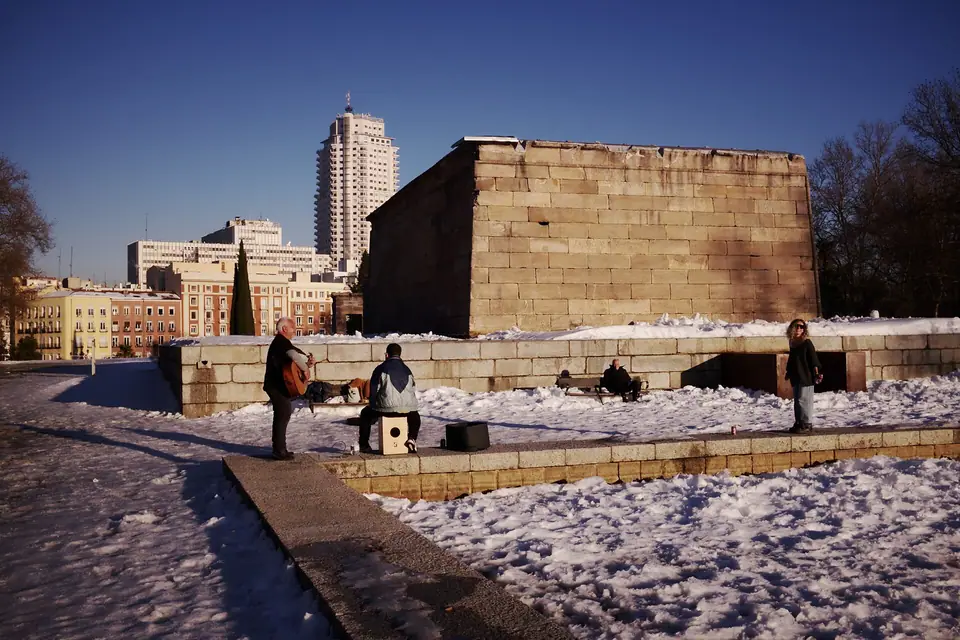
4. Temple of Debod and Botanical Garden. Debod opens in winter Tuesday to Sunday from 10:00 to 20:00 (last entry 19:30), with free entry. The Botanical Garden, from November to February, from 10:00 to 18:00.
5. Almudena Cathedral. The museum and dome open Monday to Saturday from 10:00 to 14:30; it is a morning option.
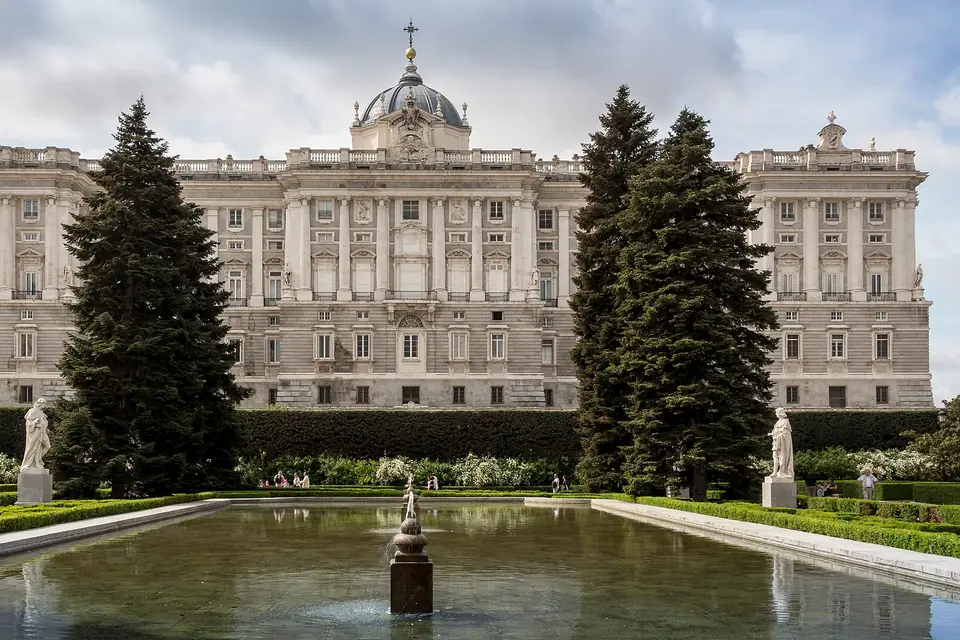
Royal Palace of Madrid: official ticket
Official ticket to the Spanish royal palace, self-guided or guided in Spanish or English.
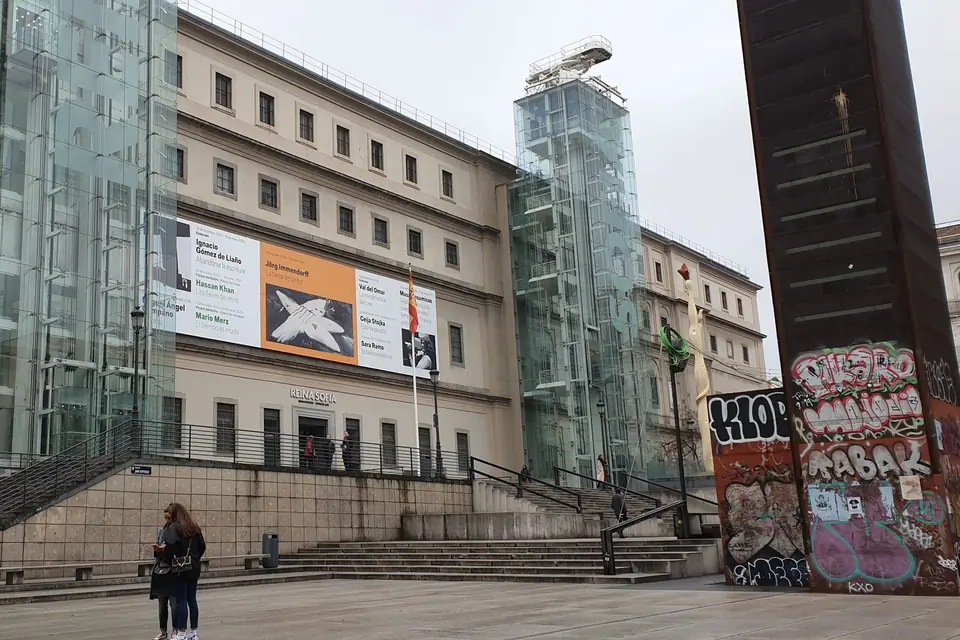
Museo Nacional Centro de Arte Reina Sofía
Reina Sofía Museum: general admission
General ticket to the modern and contemporary art museum, with free evening hours for individual visitors.
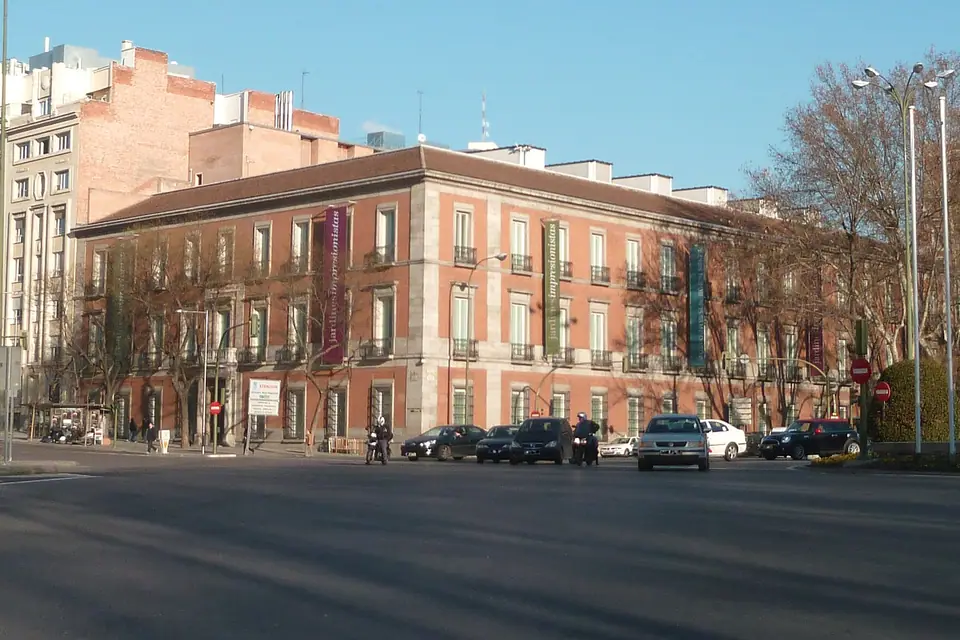
Museo Nacional Thyssen-Bornemisza
Thyssen-Bornemisza Museum: permanent collection
Ticket to the Thyssen's permanent collection, with free Mondays and a free extra guest subject to availability.
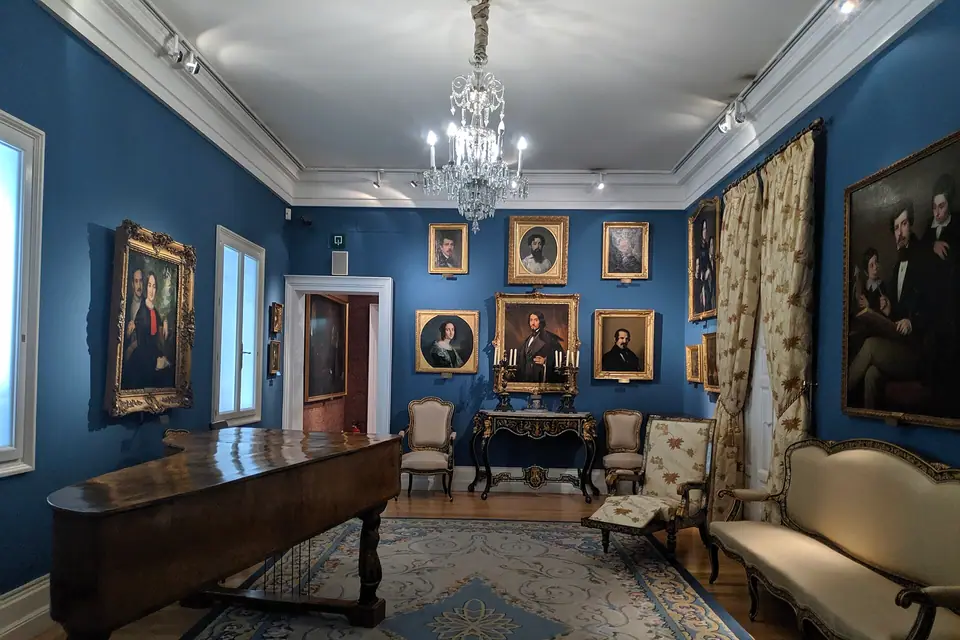
Museum of Romanticism: general admission
Low-cost ticket to the 19th-century museum in Chueca; free Saturdays from 14:00 and Sundays.
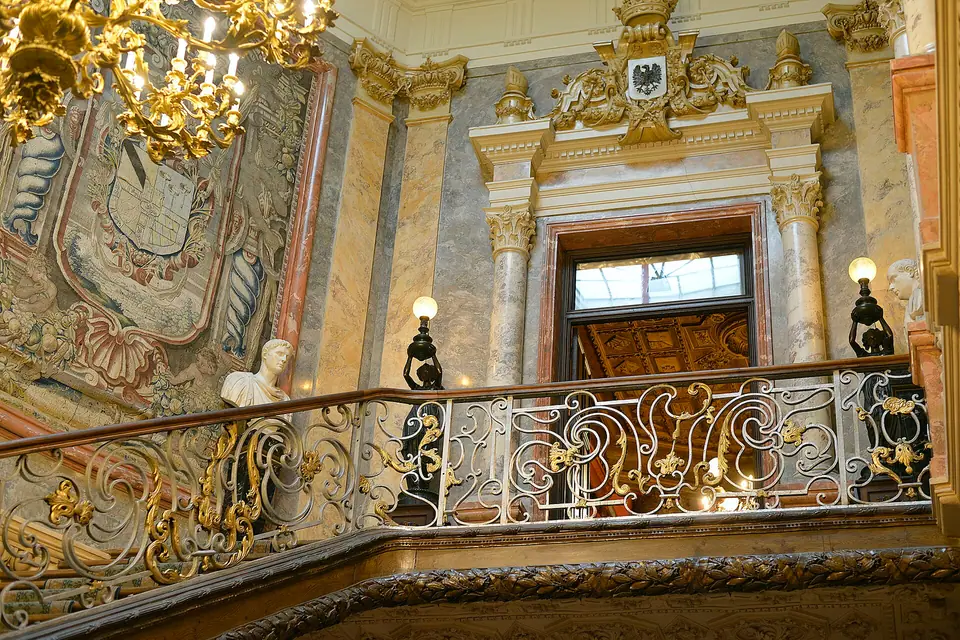
Cerralbo Museum: general admission
Ticket to a palace museum near Plaza de España; free Thursday evenings and Sundays.
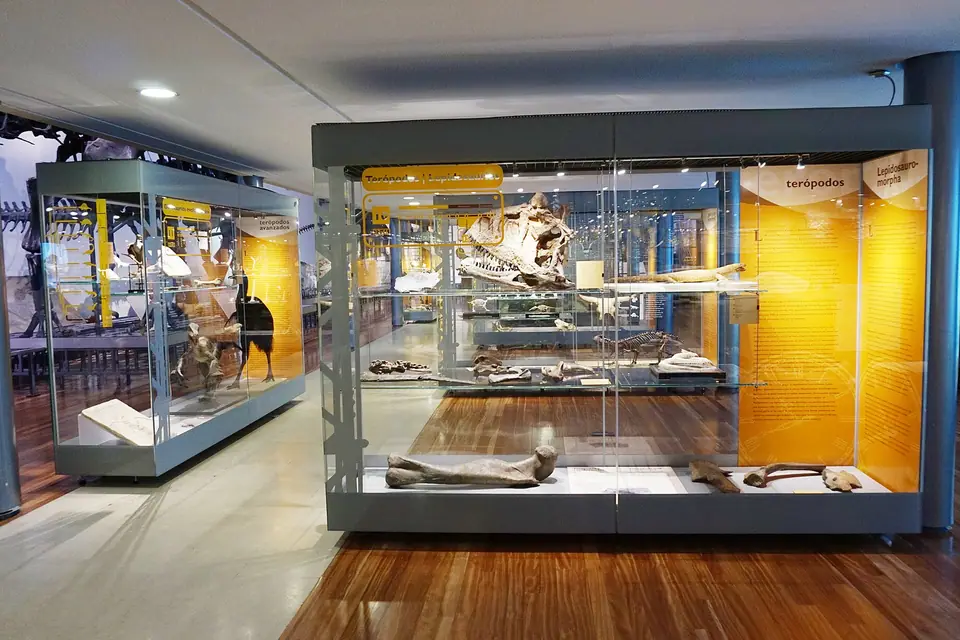
Museo Nacional de Ciencias Naturales
National Museum of Natural Sciences: admission
Ticket to the CSIC natural history museum, with longer weekend hours.
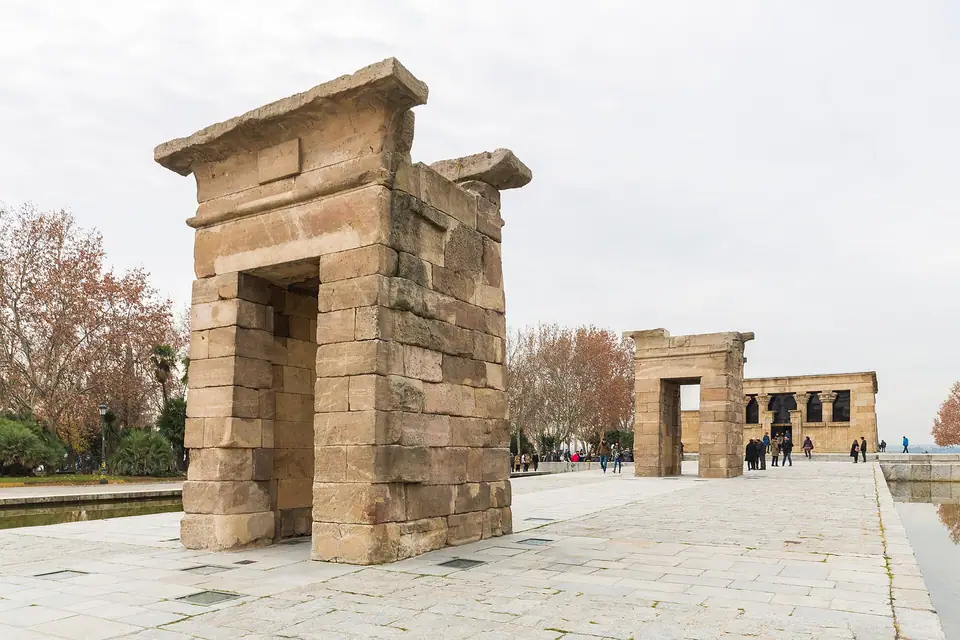
Ayuntamiento de Madrid (Templo de Debod)
Temple of Debod: free visit
Egyptian temple from the 2nd century BC in the Cuartel de la Montaña park, free to enter.
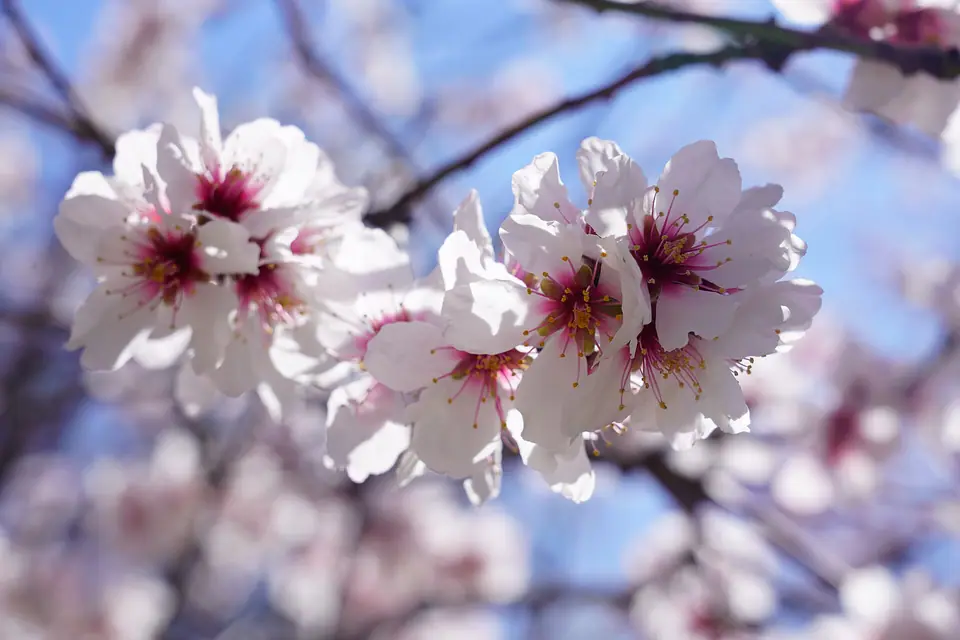
Royal Botanical Garden: ticket
Ticket to the 18th-century botanical garden, steps from the Prado Museum.
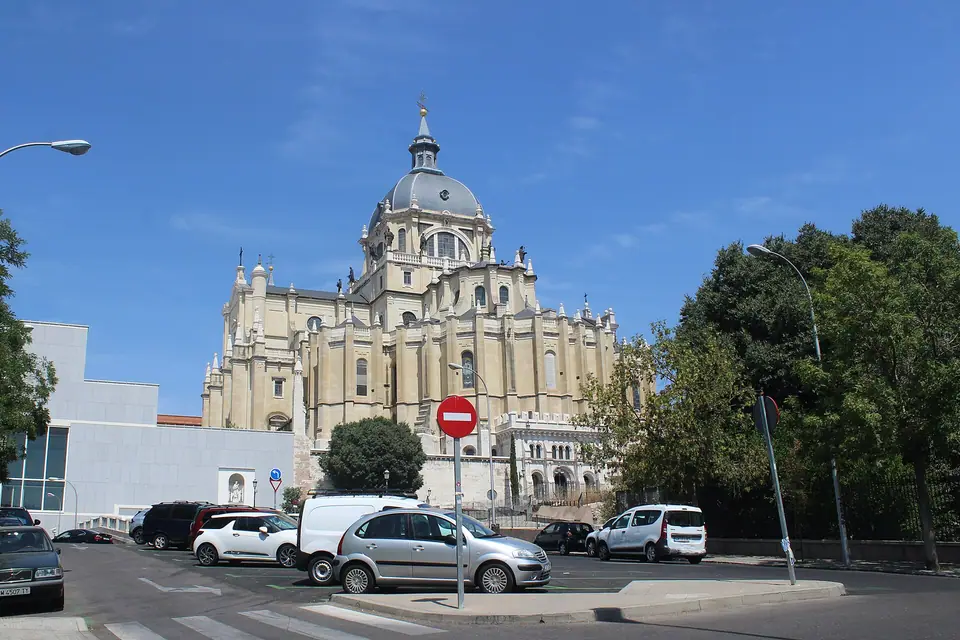
Almudena Cathedral: museum and dome
Ticket to the cathedral museum, with dome access and views of the Royal Palace.
Flamenco and winter evenings
Since dusk falls around 18:00, flamenco is a natural winter plan. The tablaos run all year and have sessions from mid-afternoon: Corral de la Morería, with dinner from 17:30 and show-only from 19:30 according to the official tourist guide; Torres Bermejas, at 17:00, 19:00 and 21:00; the Teatro Flamenco Madrid, at 17:00, 19:00 and 20:45 (39 EUR for adults); Cardamomo and Tablao Flamenco 1911, with four shows a day from 18:00. Las Tablas, on Plaza de España, has two shows, at 19:00 and 21:30.
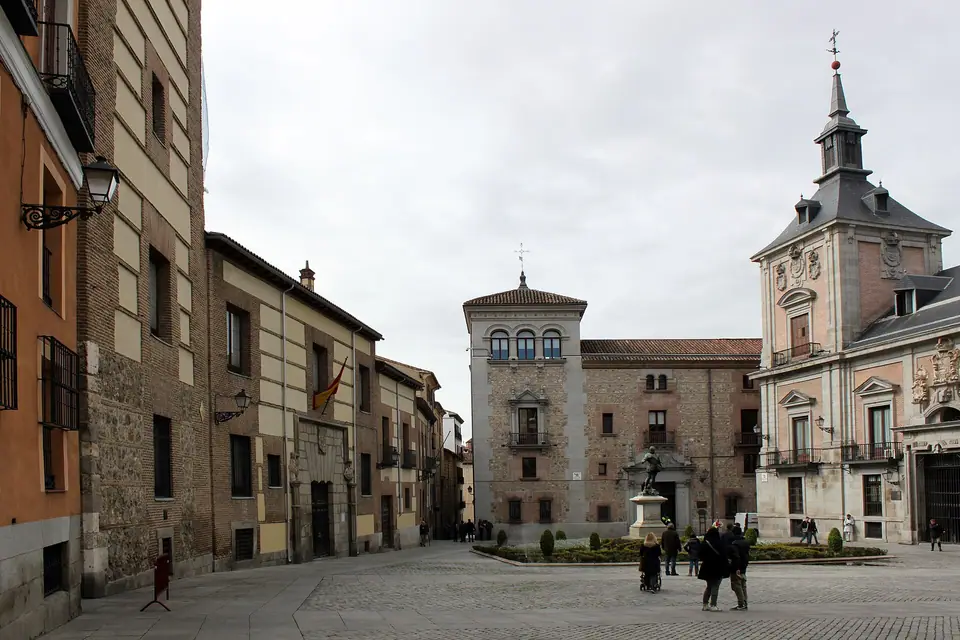
Another option for the evening is "Madrid encantado", a guided walking tour of about two hours that leaves from Plaza de Oriente and passes through the Habsburg quarter, Plaza Mayor and Puerta del Sol; prices, between 12 and 15 EUR depending on the channel, do not match. If it is very cold, the night tuk tuk is not a good idea; neither is the one-hour night Segway.
Flamenco show at Corral de la Morería
Flamenco at one of Madrid's oldest tablaos in La Latina, with the option of dining at its restaurant before the show.
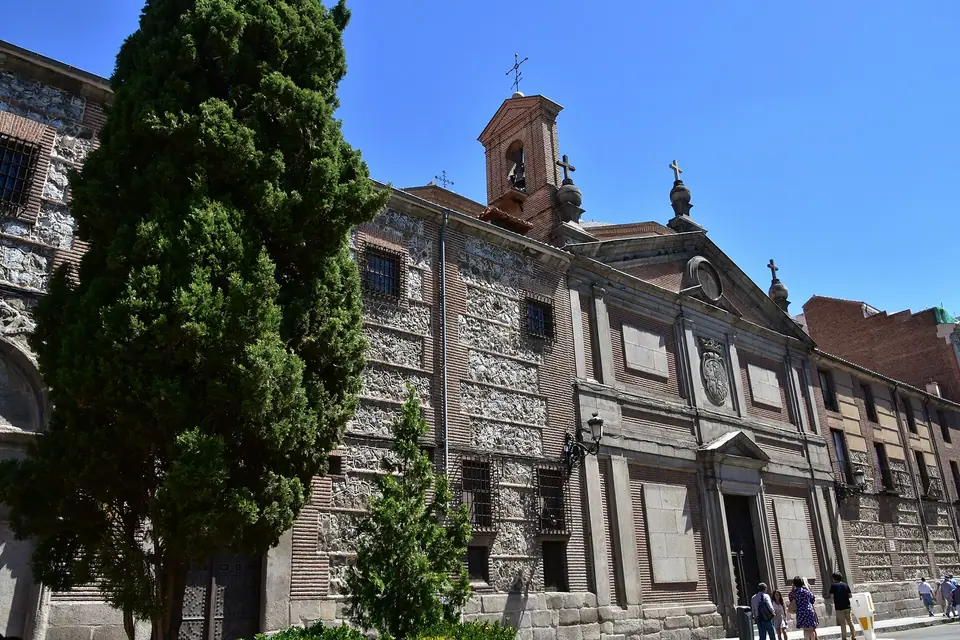
Tablao Flamenco Torres Bermejas
Flamenco show at Torres Bermejas
A one-hour flamenco show in a room modelled on the Alhambra, with three daily sessions and optional drink or dinner.
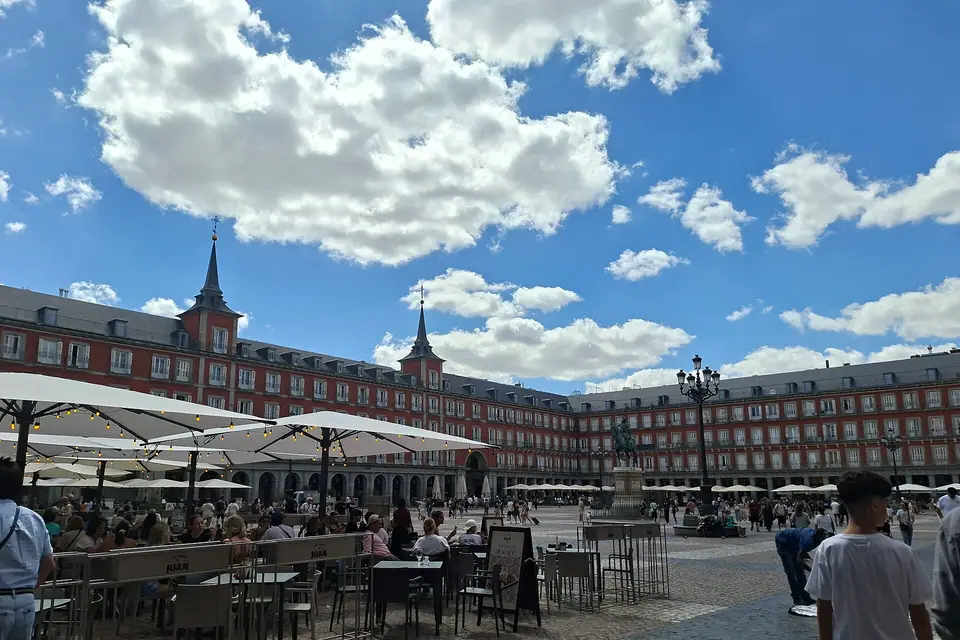
'Emociones' flamenco show at Teatro Flamenco Madrid
A one-hour show at a Malasaña theatre, with sessions from 5:00 pm and a cheaper child ticket for ages 6 to 12.
Flamenco show at Cardamomo, with a drink
Flamenco performance on Calle Echegaray, a few steps from Sol, with a welcome drink and a line-up that changes every week.
Tablao Flamenco 1911 (antes Villa Rosa)
Flamenco show at Tablao Flamenco 1911
One hour of flamenco with a drink on Plaza de Santa Ana, four shows daily and your choice of table when booking.
Flamenco show at Las Tablas
An hour of flamenco next to Plaza de España, with daily shows at 7:00 pm and 9:30 pm and an optional dinner beforehand.
Enchanted Madrid: night legends walk (Naturanda)
Two-hour dusk walk through Habsburg Madrid with legends and stories, starting at Plaza de Oriente.
Tapas, markets and cooking classes
Food is the easiest winter plan. The tapas tours last about three hours: the Eating Europe one (from 89 EUR, five stops, departures at 11:30, 17:00 and 18:00); the Devour taverns and history one (about 3.5 hours, with a cider-pouring demonstration); Devour's market and tapas one (about 3 hours, with a local market and a squid sandwich in Plaza Mayor); the La Latina one (Carpe Diem) and the Huertas one (Context Travel, three hours).
If you prefer to cook: the Cooking Point paella class (85 EUR per adult, 45 EUR per child, about 4 hours Monday to Saturday in the morning, with a market visit) and the tapas and sangria class (85 EUR per adult, from 17:30 to 21:30). Devour has a paella and tapas class with a visit to a neighbourhood market. On Sunday mornings the Rastro in La Latina is liveliest, though in winter it will be cold at times.
Old-town tapas and wine tour (Eating Europe)
About three and a half hours on foot between five stops in the centre, food and drinks included, in groups of up to 12.
Tapas, Taverns & History tour (Devour)
A three-and-a-half-hour route through family-run bars in the centre with tapas, drinks and historic stops, in groups of up to 12.
Ultimate Spanish Cuisine market and tapas tour (Devour)
Three hours through the Literary Quarter and centre with 15+ bites at eight stops, market included, in groups of up to 12.
La Latina and centre tapas food tour (Carpe Diem)
Two and a half hours on foot through five venues with nine tapas and five drinks, starting at Plaza de los Carros, groups of up to 15.
Tapas walk in the Huertas neighbourhood (Context Travel)
A three-hour walk in English through taverns in the centre, in small groups, with a specialist guide.
Paella cooking class with market visit (Cooking Point)
Four hours, 10:00 to 14:00, Monday to Saturday: shopping at a market and paella with a local chef, with a child rate.
Tapas and sangria cooking class (Cooking Point)
A four-hour evening cooking class, Monday to Saturday, with tortilla, garlic shrimp and sangria, with a child rate.
Paella and tapas cooking class with market visit (Devour)
A three-and-a-half-hour morning class in a local restaurant's kitchen, with a market stroll and lunch included; not suitable under 12.
Winter day trips: opening times and cold
The day trips still run: the Alcázar of Segovia opens every day from 10:00 to 18:00 from November to March; the El Escorial monastery and the Royal Palace of Aranjuez, Tuesday to Sunday from 10:00 to 18:00. Toledo cathedral opens Monday to Saturday from 10:00 to 18:30 and on Sundays from 14:00 to 18:30, and its night experience, Lumina, costs 24.90 EUR.
Ávila is at 1,131 m and El Escorial at 1,032 m, so it is cooler than in Madrid: bring an extra layer. With the light there is, the 11- to 13-hour tours end after dark; pick one city or a pair, such as Ávila and Segovia (Julià Travel, about 9 hours, from 50 EUR) or El Escorial and the Valle (about 5 hours, from 66 EUR). All the information on each city is in our guide to day trips from Madrid.
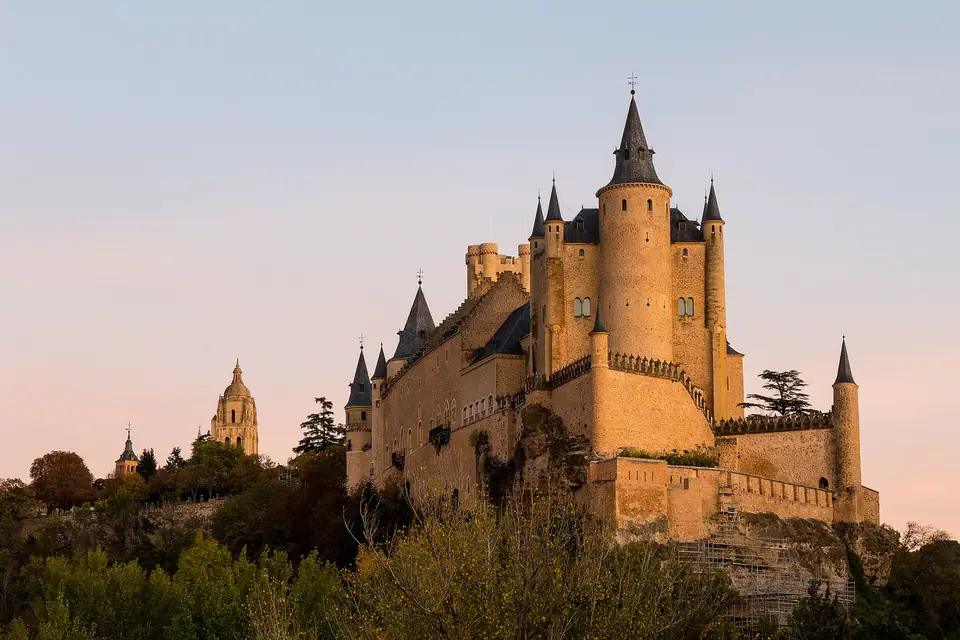
Alcázar of Segovia: official ticket
Ticket for Segovia's castle-palace with official online sales; open every day, with winter hours until 6 pm.
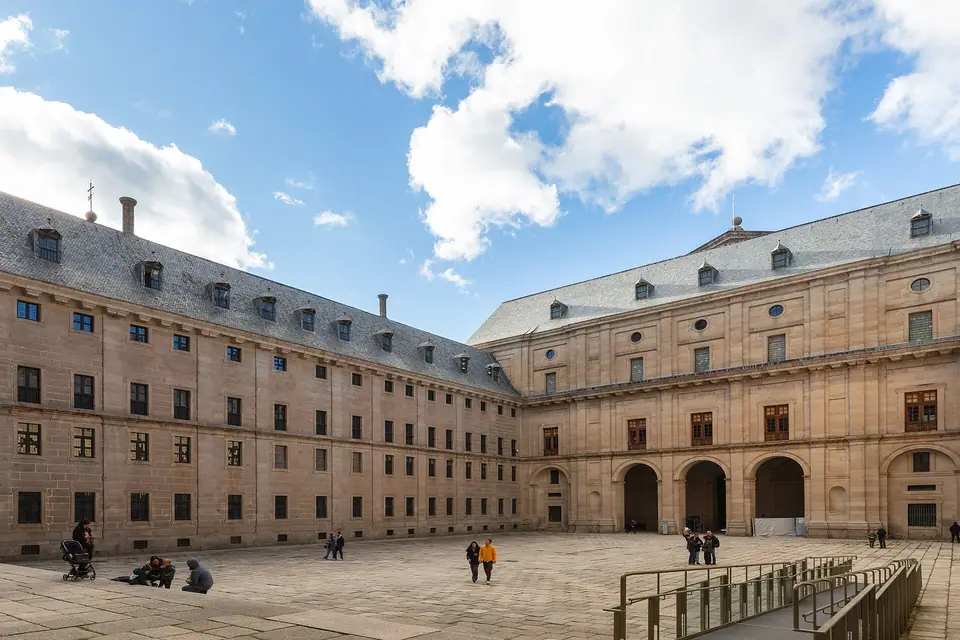
Royal Monastery of El Escorial: official ticket
Official Patrimonio Nacional ticket to the San Lorenzo de El Escorial monastery: 14 euros general and 7 reduced.
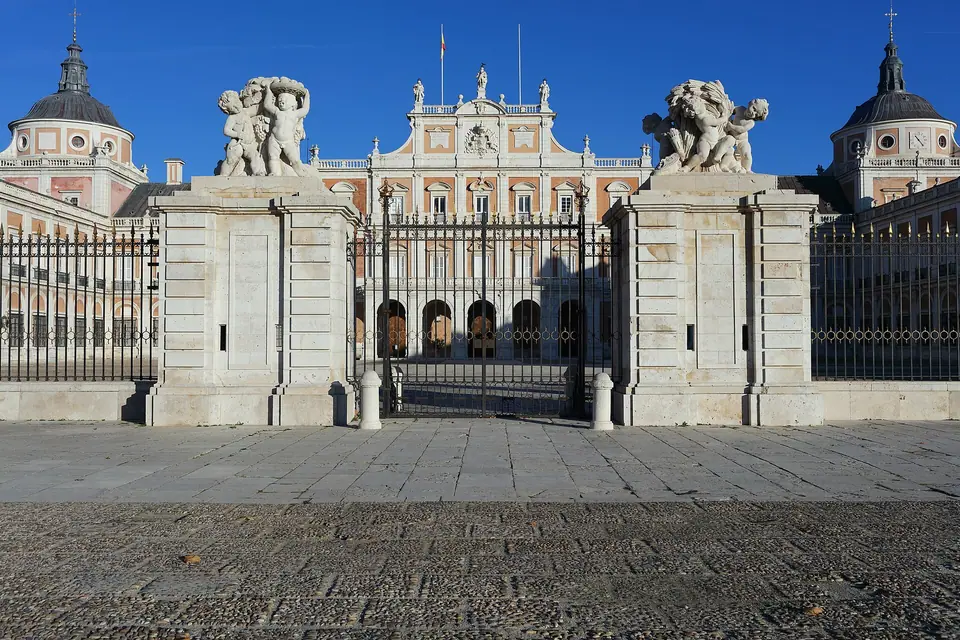
Royal Palace of Aranjuez: official ticket
Official Patrimonio Nacional ticket to the Royal Palace of Aranjuez: 9 euros general and 4 reduced, Tuesday to Sunday.
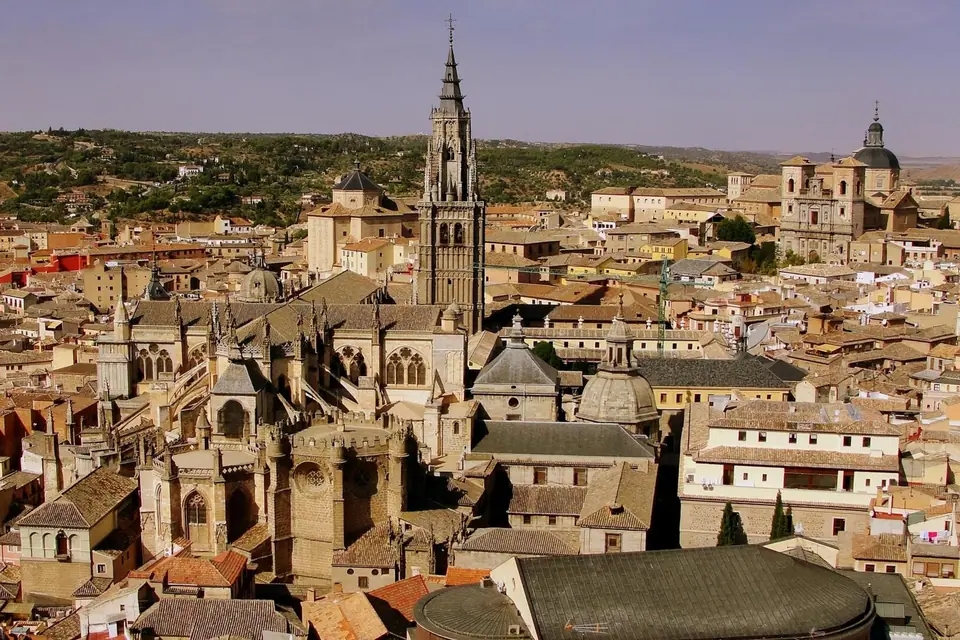
Toledo Cathedral: official ticket
Cultural visit to Toledo's Gothic cathedral, 12 euro ticket plus night-time (Lumina) tickets on the official site.
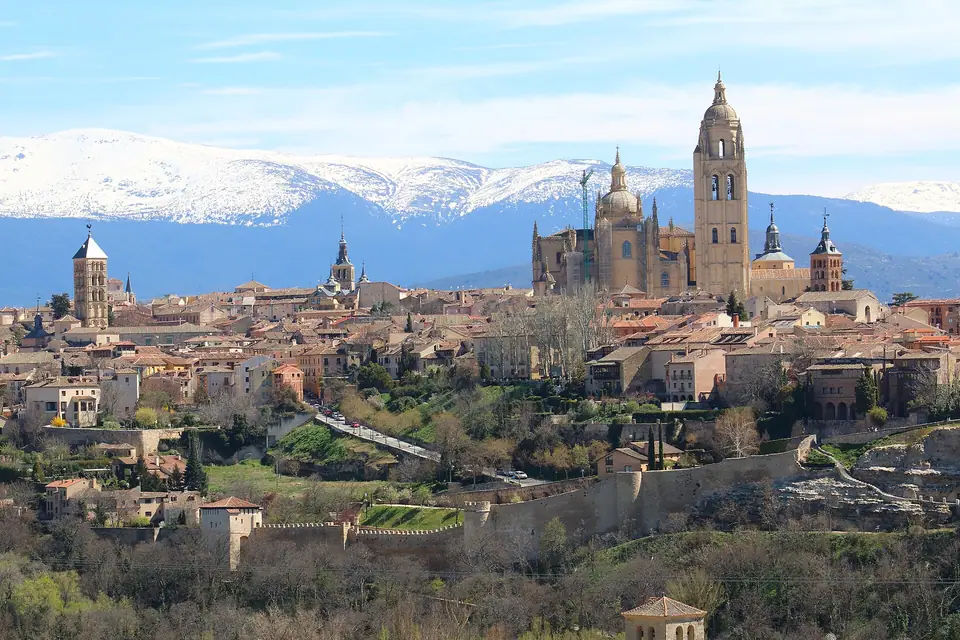
Ávila and Segovia in one day (Julià Travel)
Day trip of about 9 hours with entry to the Ávila walls and the Alcázar of Segovia, and an optional gastronomic lunch.
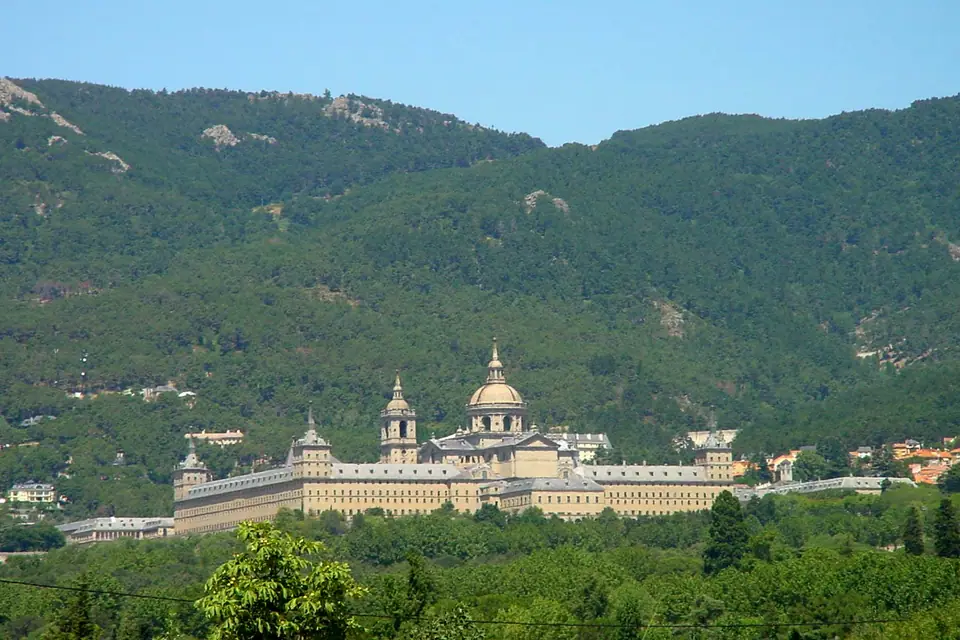
El Escorial and Valley of Cuelgamuros (Julià Travel)
Half day by coach from Madrid to the El Escorial monastery and the Valley basilica, with a local guide.
Parks and plans with children in winter
The parks have their own calendars: Faunia closes some weeks in winter according to the city council (from 16.90 EUR, check faunia.es), the Parque de Atracciones has a Christmas season and does not open every day (from 23.90 EUR), and the Zoo Aquarium (from 19.90 EUR) changes its hours by season. Parque Warner (from 32.90 EUR) showed the park as closed and sales paused when we checked: verify the calendar.
Indoors and for children, the Natural Sciences Museum (weekends from 10:00 to 20:00) and CaixaForum (6 EUR, free for under-16s, open every day from 10:00 to 20:00) are the safest options.
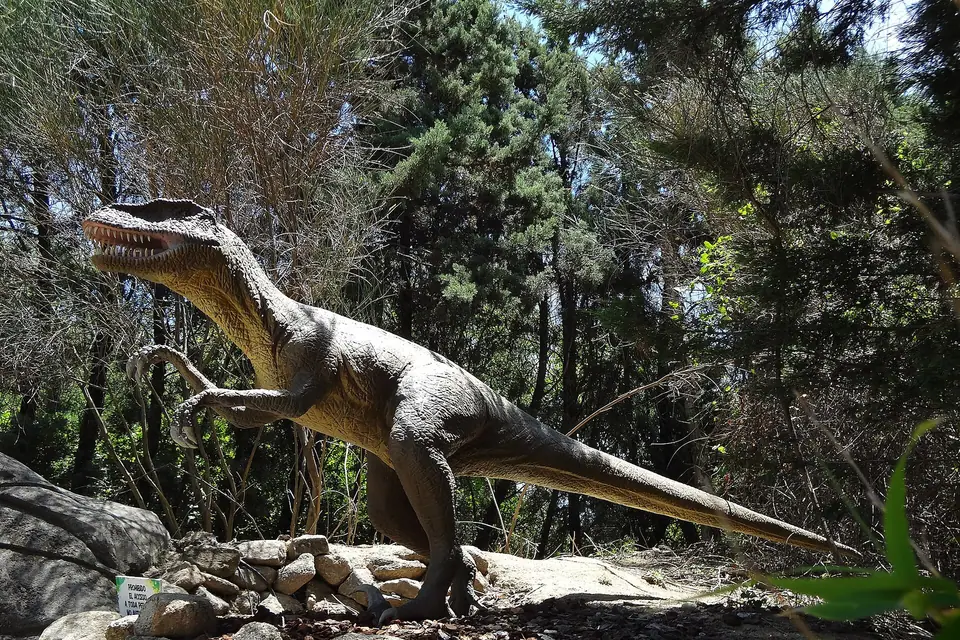
Faunia: general admission
Ticket to Madrid's wildlife park, with recreated ecosystems.
Parque de Atracciones de Madrid
Parque de Atracciones de Madrid: ticket
Individual ticket to the amusement park in the Casa de Campo.
Madrid Zoo Aquarium: general admission
Ticket to the zoo and aquarium in the Casa de Campo, well suited to families.
CaixaForum Madrid: exhibition ticket
Ticket to the cultural centre's exhibitions, open daily 10:00-20:00 per esMadrid.
Official sources
Our own text, drawn from these sources as checked up to 25 November 2026. Rules and traffic restrictions change: confirm them before you travel.
Frequently asked questions
What is the weather like in Madrid from November to March?
According to AEMET (Retiro, 1981-2010), the average runs from 6.3 °C in January to 11.2 °C in March (9.9 °C in November), with 4.1 to 6.8 rainy days a month. December is the month with the least sun (124 hours) and March, with 211 hours, the sunniest.
What time does it get dark in Madrid in winter?
In mid-December the sun sets at 17:49; on 15 November, at 17:58; on 15 January, at 18:13; on 15 February, at 18:50 and on 15 March, at 19:21 (astronomical calculation in local time, 2026).
What can you do in Madrid if it rains in winter?
Museums (Prado, Reina Sofía, Thyssen and the small ones), the Royal Palace, a flamenco tablao, a tapas tour or a cooking class. All of it runs in winter; confirm the seasonal hours.
Which public holidays are there in Madrid from December to March?
In 2026: 7, 8 and 25 December. In 2027: 1 and 6 January, 19 March and Maundy Thursday and Good Friday (25 and 26 March). The Three Kings parade is on the afternoon of 5 January.
Do you need a coat in Madrid in winter?
Yes. With an average of 6.3 °C in January and lows of 2.7 °C, you need a coat and scarf; in Ávila and El Escorial, which are above 1,000 m, it is cooler still.
Atlas de Madrid editorial team · reviewed on 25 November 2026
More guides
- Royal Palace of Madrid tickets: price, opening hours, free entry and how to get there
- Day trips from Madrid: how to get there, what to see and which organised tours exist
- Madrid in 3 days: a day-by-day itinerary with prices, opening times and closing days
- Prado Museum tickets and the other Madrid museums: prices, closing days and free hours
- Things to do in Madrid: the historic centre, the Art Walk, the parks and the day trips
- Madrid in the rain: things to do
- Madrid with kids: things to do
- Cheap and free in Madrid: what to do
- Madrid at an easy pace: low-effort plans